

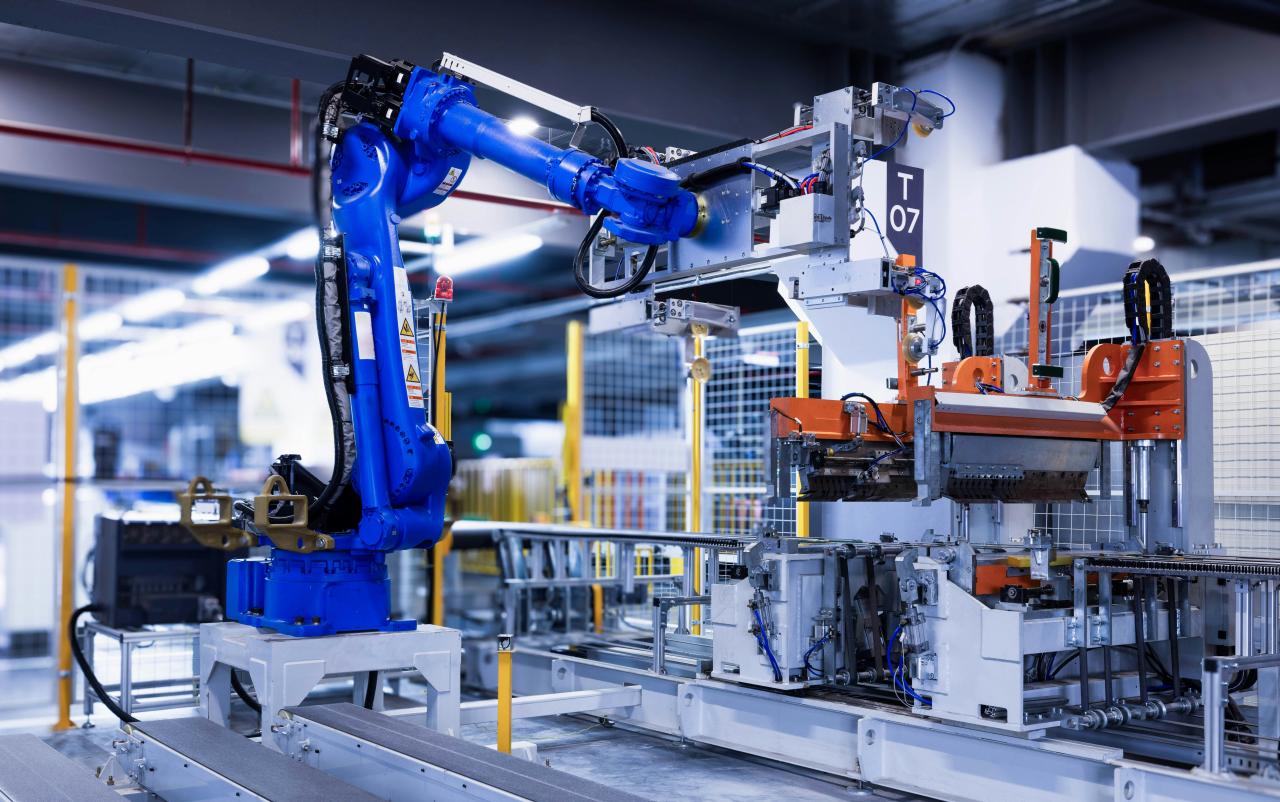
Leveraging AI-driven layouts to speed up production represents a massive shift in how creative teams design and deploy modern digital products today.
For years, web designers and front-end developers spent countless hours manually placing elements, setting pixel margins, and tweaking responsive breakpoints across endless web pages.
However, relying entirely on manual layout creation often leads to production bottlenecks, repetitive design tasks, and delayed project launches. Artificial intelligence solves these operational hurdles by automating complex visual arrangements, generating dynamic UI component grids, and organizing raw content instantly.
Modern machine learning algorithms analyze millions of successful website layouts to suggest optimal spacing, color contrast, and typographic hierarchies tailored to your specific audience.
By integrating smart layout engines into your design pipeline, you eliminate repetitive design work and focus your energy on high-level strategic creative direction.
This automated design approach reassures project managers and client teams that production schedules remain tight, predictable, and remarkably cost-effective throughout the development lifecycle.
Forward-thinking digital agencies and tech startups actively embrace smart layout tools to build high-converting web pages in a fraction of the traditional time.
Transforming your design workflow with intelligent layout generators establishes a highly efficient production environment early in your creative process. It creates a seamless design ecosystem that works continuously to optimize interface structures, accelerate asset delivery, and elevate overall digital product quality.
A. Automate Responsive Breakpoint Generation To Eliminate Manual Adjustments
Automating responsive breakpoint generation allows design tools to adapt user interface layouts across mobile, tablet, and desktop screens instantly without manual tweaking.
In traditional web design workflows, creators spent hours duplicating artboards and manually repositioning every single button, image, and text block for small mobile displays. Smart layout engines calculate spatial relationships automatically, reflowing elements to fit any screen resolution perfectly within milliseconds.
This automated reflow process ensures that padding, column widths, and typography scale proportionally across every custom display size. Streamlining responsive adaptations frees up valuable developer time, ensuring your digital application launches faster without sacrificing visual quality or layout consistency.
Product teams often burn dozens of billable hours recreating identical webpage layouts for multiple mobile screen sizes manually.
From my perspective, you can easily reclaim lost project time by letting intelligent algorithms auto-generate fluid layout breakpoints for all viewports. Relying on automated spatial scaling eliminates tedious artboard duplication and keeps your responsive design system clean, consistent, and error-free.
This smart workflow adjustment solves your production timeline struggles completely, delivering a fully responsive interface that looks stunning on every single device. It guarantees that your layout scales effortlessly, keeping client launch dates strictly on track every single time.
B. Generate Dynamic Content Containers To Accelerate Wireframe Workflows
Generating dynamic content containers using intelligent prompts accelerates initial wireframing phases, allowing teams to test interface ideas rapidly with real content structures. Standard wireframing processes rely heavily on static placeholder boxes and generic filler text that fail to reflect actual content density or user flows.
Artificial intelligence analyzes project requirements and populates structural containers with realistic text copy, contextual images, and functional call-to-action buttons instantly.
Creating real-time content containers allows designers to identify visual hierarchy problems and usability gaps before spending resources on high-fidelity designs. Accelerating early prototyping cycles helps creative teams present interactive concepts to stakeholders quickly, securing client approvals with minimal friction.
Design teams frequently waste time building high-fidelity screens only to discover that real text content completely breaks their original layout wireframes.
I observe that you can smoothly resolve wireframe mismatches by using AI layout tools to build flexible containers that adjust around dynamic content automatically. Generating contextual text and image containers upfront prevents awkward layout breaks when real product data enters your design system.
This automated wireframing strategy solves your prototyping bottlenecks perfectly, making structural iterations fast, accurate, and completely stress-free for your team. It delivers a solid foundation that bridges the gap between early rough sketches and final production-ready interfaces.
C. Optimize Spatial Visual Hierarchies To Improve User Navigation
Optimizing spatial visual hierarchies through machine learning ensures your web interface directs user focus toward primary conversion goals without creating visual clutter.
Human designers occasionally struggle to balance competing visual elements, resulting in crowded headers, conflicting action buttons, and confusing content cards. Intelligent design tools analyze visual weight, whitespace ratios, and color contrast to arrange interface components in a clear, readable reading order.
Automatically spacing layout elements based on proven visual patterns creates a comfortable scanning path for website visitors. Establishing clear visual hierarchy reduces user cognitive load, making web navigation feel remarkably natural, engaging, and enjoyable.
Visitors routinely leave websites when crowded, unorganized layouts make locating primary navigation links or call-to-action buttons frustrating and difficult.
The truth is that running your layouts through automated spatial analysis tools highlights crowded design areas and adjusts component margins for maximum readability. Giving key call-to-action buttons generous whitespace balance guides visitor eyes straight toward your top conversion offers effortlessly.
This visual optimization technique solves your bounce rate issues beautifully, creating a polished, professional aesthetic that keeps users exploring your site happily. It provides a balanced visual architecture that turns complex information into clear, easy-to-read digital content.
D. Standardize Component Design Systems To Maintain Layout Consistency
Standardizing component design systems through automated layout rule sets guarantees that every page across large web applications maintains exact visual alignment.
Managing multi-page websites manually often introduces subtle design inconsistencies, such as mismatched button paddings, varying font sizes, or conflicting background shades.
Artificial intelligence scans your entire site architecture, enforcing master style guide rules and converting rogue design elements into standardized reusable components. Keeping UI elements synchronized across dozens of subpages prevents visual debt and simplifies long-term site maintenance for development teams.
Enforcing strict layout consistency builds brand credibility, reassuring users that your digital platform is secure, modern, and carefully crafted.
Large digital products frequently suffer from visual clutter when different designers introduce conflicting button styles and custom padding rules across subpages.
I believe that applying automated design system checkers to your layout files removes rogue UI styles and enforces master design rules instantly. Synchronizing margins, typography scales, and button states across all screens ensures your web product delivers a unified, professional brand presence.
This automated standardization solves your visual inconsistency headaches completely, keeping your codebase clean and remarkably easy to update over time. It establishes a scalable design framework that allows your team to publish new landing pages without breaking global brand guidelines.
E. Predict User Engagement Patterns To Refine Interface Placement
Predicting user engagement patterns with AI predictive modeling allows creators to position critical layout components where visitors naturally look first. Instead of waiting weeks for post-launch user heatmaps and analytics data, predictive algorithms simulate eye-tracking patterns on draft layouts instantly.
These smart insights show exactly which headline areas, product images, or sign-up forms capture immediate visual focus before code deployment. Adjusting button placements and content blocks based on predictive visual data maximizes user interaction during initial page visits.
Leveraging predictive layout intelligence eliminates guesswork from the design process, ensuring your digital product delivers optimal user engagement right from day one.
Product managers often lose valuable sales opportunities when essential sign-up forms sit in low-visibility dead zones on newly launched landing pages.
You can easily prevent low interaction rates by running draft layouts through predictive eye-tracking models to discover high-visibility page zones before going live. Moving primary buttons into high-focus areas guarantees that visitors notice your top offers the moment they land on your page.
This predictive placement strategy solves your conversion uncertainty completely, turning educated guesswork into a data-driven layout setup that delivers results. It provides a massive competitive advantage, ensuring your web interface captures attention and drives action continuously.
Conclusion
Leveraging AI-driven layouts provides the ultimate blueprint for accelerating digital product production without sacrificing creative quality today. This modern design approach removes operational bottlenecks by replacing manual pixel pushing with fast, intelligent layout generation systems.
You can build exceptionally fast, responsive, and visual web interfaces with complete confidence by adopting these automated production workflows. Automating responsive breakpoints eliminates tedious artboard duplication, ensuring your web layouts adapt fluidly across all mobile and desktop displays.
Dynamic content containers accelerate early wireframing phases, helping your team test interface ideas rapidly with realistic content structures. Trust these intelligent layout engines to keep your production timelines tight while maintaining full creative control over your project.
Optimizing spatial visual hierarchies ensures your web pages guide user focus smoothly toward key call-to-action buttons without visual clutter. Standardizing UI components across large site architectures maintains strict brand consistency, preventing visual debt and simplifying long-term site updates.
Predicting user engagement patterns allows you to place primary conversion elements where site visitors naturally look first on screen. Executing these AI-driven layout strategies transforms your production workflow, delivering a scalable digital product that performs flawlessly.