

The world of interior design is in a constant state of evolution, and one of the most powerful and transformative elements within it is color. The shades we choose for our homes are more than just aesthetic preferences; they are reflections of our collective mood, our desires for comfort, and our aspirations for a more sustainable and mindful future. As we look ahead to 2025, the trends in interior color are shifting away from the stark, sterile minimalism of the past and toward a palette that is rich in texture, emotion, and connection to the natural world. This extensive guide will delve deep into the most influential color trends shaping homes in 2025, from a tranquil embrace of nature to a bold re-imagining of modern living. We will explore not only the colors themselves but also the psychology behind them, offering practical advice on how to integrate these trending hues into your living spaces to create a home that is both stylish and deeply personal.
The Macro Trends Driving 2025 Color Palettes
The colors that will define 2025 are not emerging in a vacuum. They are a direct response to global shifts in culture, technology, and our relationship with the environment. Understanding these underlying trends is key to appreciating why certain colors are gaining prominence.
- A. The Wellness and Biophilic Movement:There is a growing desire to reconnect with nature and create spaces that promote well-being, tranquility, and mental clarity. This movement, known as biophilic design, is influencing a preference for colors that mimic the natural world, from earthy tones to tranquil blues and greens. These colors are being used to create havens from the overstimulation of the digital world.
- B. The Rise of “Quiet Luxury”:Quiet luxury is a design philosophy that prioritizes understated elegance, craftsmanship, and quality over flashy, brand-driven aesthetics. The color palettes that support this trend are sophisticated, timeless, and often monochromatic. They are meant to create a sense of calm and a feeling of enduring value.
- C. A Push for Sustainability:Consumers are becoming more conscious of the environmental impact of their choices. This is leading to a demand for paints and materials that are eco-friendly and for colors that feel authentic and grounded. The trending colors of 2025 often reflect the natural world, reinforcing a connection to our planet.
The Defining Colors of 2025
While there are many shades that will be popular, a few key colors and color families are poised to dominate the design landscape in 2025. These are the shades that will set the tone for the year.
- A. Earthy Browns and Terracotta:Gone are the days when brown was considered a boring color. In 2025, rich, warm browns and rustic terracotta are making a powerful comeback. They evoke a sense of grounding, comfort, and connection to the earth. These colors work beautifully in living rooms, kitchens, and bedrooms, creating a warm, inviting, and organic atmosphere.
- How to Use: Pair deep chocolate browns with creamy off-whites for a sophisticated look. Use terracotta in accents like pottery, pillows, or even as an accent wall to add warmth and a touch of the desert landscape.
- B. The New Neutrals: Warm Greys and Oat Tones:While cool grays have dominated for a decade, the new neutrals of 2025 are much warmer and more inviting. Think of shades like oat, beige, greige (a mix of gray and beige), and soft taupes. These colors provide a perfect, versatile backdrop for any design style, from minimalist to bohemian, and they work well in any room. They are the epitome of “quiet luxury.”
- C. Sage Green and Deep Forest Green:The biophilic movement has brought greens to the forefront. In 2025, shades like muted sage and rich forest green will be everywhere. Sage green is a calming, tranquil color that is perfect for bedrooms and bathrooms, creating a spa-like atmosphere. Deep forest green is a bold, sophisticated choice for a home office or a dining room, adding a sense of drama and connection to nature.
- D. Muted Blues and Tranquil Teals:The serenity of the sea and the sky are being brought indoors with muted blues and tranquil teals. These colors promote a sense of calm and focus. They are perfect for a home office or a meditation room, where a peaceful environment is key. They also work beautifully in bathrooms, creating a spa-like feel.
- E. Playful Pastels: Lilac, Mint, and Peach:While the overall trend is toward earthy and muted tones, a splash of playful, soft pastels will bring a touch of optimism and whimsy to homes in 2025. Lilac, mint, and peach are being used in small doses—in accents, furniture, or a single statement wall—to add a pop of color without overwhelming a space.
Integrating Color Trends into Your Home
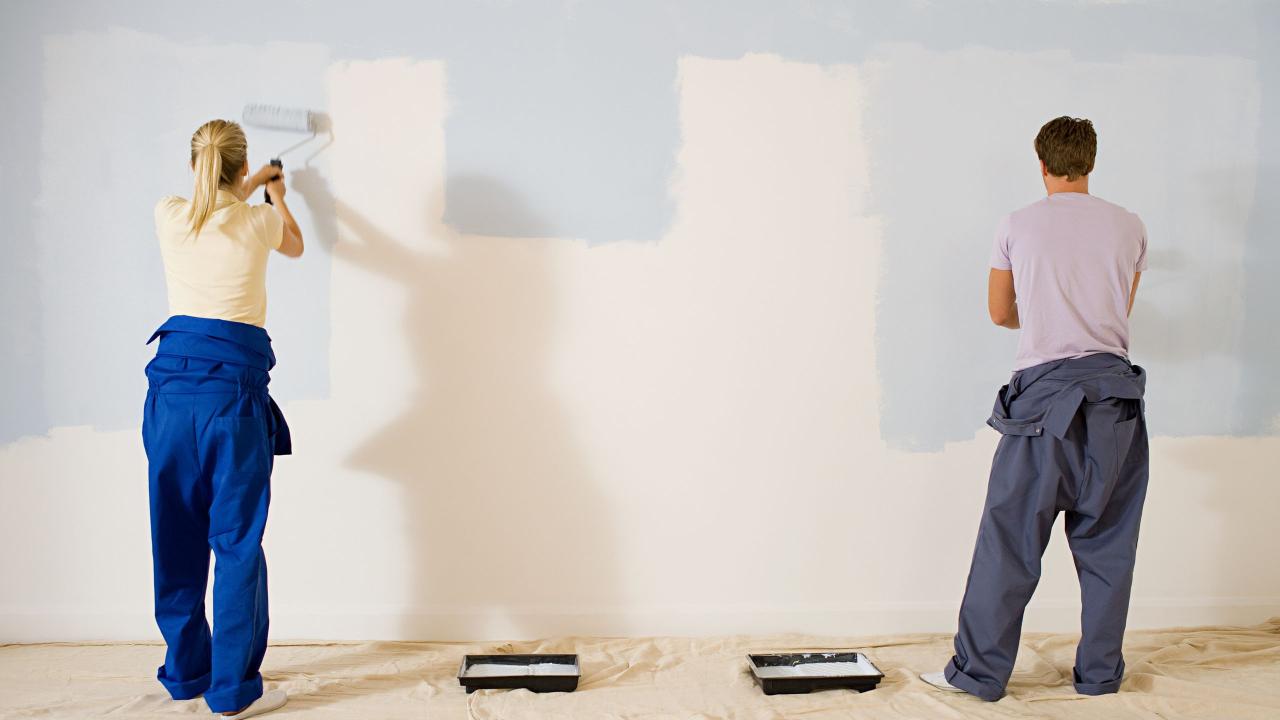
Changing the color of a room can be a big commitment. Here are some practical, actionable strategies for incorporating these trends into your home without a full renovation.
- A. Start Small with Accent Walls:You don’t need to paint an entire room to embrace a new color. An accent wall is a fantastic way to test a bold color like deep forest green or a warm terracotta. It adds a focal point to a room and can be easily changed if your tastes evolve.
- B. The Power of Textiles and Accents:The easiest and most affordable way to incorporate a new color trend is through textiles and accents. Think pillows, blankets, rugs, and curtains in trending shades. You can also add pops of color with artwork, pottery, or decorative objects. This allows you to experiment with new colors without a major commitment.
- C. The Psychology of Color Placement:Consider the psychology of the color you choose and its placement.
- Bedrooms: Use calming colors like sage green or muted blues to promote relaxation and sleep.
- Living Rooms: Use warm, inviting colors like earthy browns or terracotta to create a sense of comfort and a welcoming atmosphere.
- Home Offices: Use colors that promote focus and productivity, such as tranquil teals or warm neutrals.
- D. The Role of Natural Light:The colors in a room will look different depending on the amount and type of natural light. Before you commit to a color, buy a small sample and paint a large swatch on your wall. Observe how the color looks in the morning, afternoon, and evening to ensure it’s the right shade for your space.
- E. The Importance of Texture:In 2025, color and texture are inextricably linked. The trending colors look best when paired with natural, tactile materials like wood, wool, linen, and clay. The texture adds depth and warmth, making the colors feel more authentic and inviting.
The Art of the Monochromatic Palette
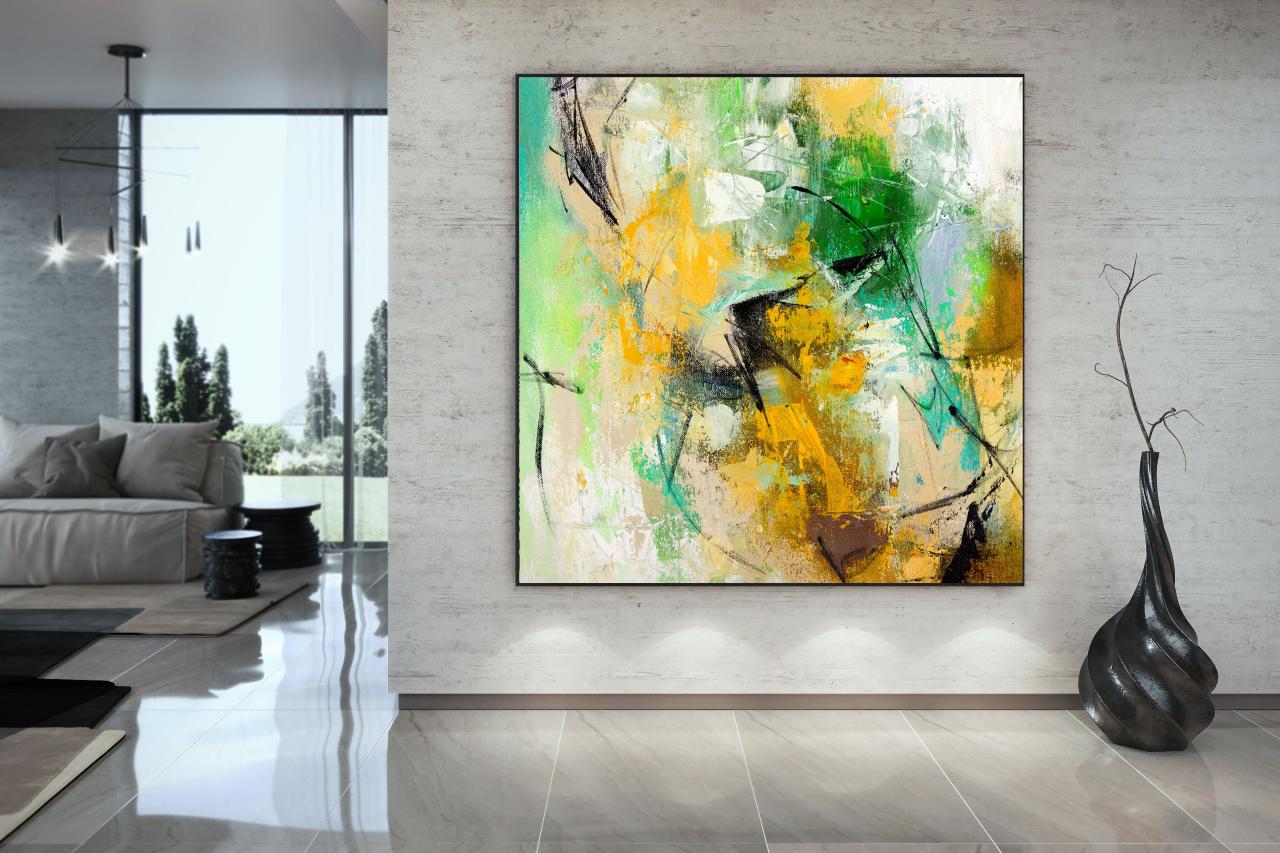
A monochromatic palette uses varying shades, tints, and tones of a single color. This technique is gaining popularity for its ability to create a sophisticated, clean, and calming space.
- A. From Light to Dark:A monochromatic room can use a color from its lightest tint to its darkest shade. For example, a room with a sage green theme could have a pale green on the walls, a slightly darker green on the furniture, and a deep forest green in the accessories. This creates a sense of harmony and depth.
- B. The Role of Texture:In a monochromatic room, texture is everything. Without the variation in color, texture becomes the element that adds interest. Think of a beige room with a chunky knit blanket, a woven rug, and a velvet armchair. The different textures will prevent the room from feeling flat and one-dimensional.
- C. The Importance of Negative Space:A monochromatic room can feel cluttered if there are too many objects. The use of negative space, or empty space, is crucial to creating a sense of calm and sophistication. A minimalist approach works best with a monochromatic palette.
The Future of Color
The trends we are seeing today are not just a passing fad; they are part of a larger, long-term shift in how we think about our homes. The move toward natural, earthy, and calming palettes reflects a desire for a simpler, more mindful life. This is a trend that is likely to continue for years to come. We can expect to see an even greater emphasis on sustainable materials, non-toxic paints, and a seamless integration of indoor and outdoor spaces. The home is no longer just a place to live; it is a sanctuary, a haven, and a direct reflection of our values. The colors of 2025 are just the beginning of this profound transformation.
Conclusion
The color trends for 2025 represent a significant shift away from the impersonal and toward the deeply personal, the natural, and the tranquil. The trending palette—rich in earthy browns and terracotta, soft, warm neutrals, and calming greens and blues—is a direct response to a collective desire for homes that feel like a sanctuary from the complexities of the modern world. These colors are not just about making a space look beautiful; they are about creating an environment that promotes well-being, mindfulness, and a sense of grounding.
By embracing these trends, you are not simply redecorating; you are actively participating in a movement toward more intentional and sustainable living. The beauty of these palettes is that they are timeless and versatile. They provide a strong, elegant foundation that can be easily updated with new accessories as your personal tastes evolve. The key is to start small, experiment with textiles and accent walls, and always consider the psychological impact of the colors you choose.
Ultimately, a well-designed home is not a place that is filled with expensive items; it is a place that is filled with purpose, intention, and a sense of calm. The color trends of 2025 are a powerful reminder that our homes should be a reflection of who we are and what we value. The time to start is now, and with these simple, yet powerful, hacks, you have everything you need to create a new, beautifully colored you.