
The rapid evolution of our global digital culture has fundamentally altered the way we interact, consume information, and perceive reality itself. In just a few decades, we have transitioned from a world of physical limitations to a boundless digital frontier where geographical borders are increasingly irrelevant. This shift is driven by a constant influx of emerging technologies that redefine social norms and professional expectations on a daily basis.
We are currently living in a hyper-connected era where every action—from purchasing a coffee to expressing a political opinion—is filtered through a digital lens. This transformation is not merely about the gadgets we carry; it is about a profound change in our collective consciousness and identity. Digital culture has democratized creativity, allowing anyone with a smartphone to become a global broadcaster or a digital entrepreneur.
However, this new landscape also brings challenges regarding privacy, mental health, and the authenticity of human connection in a virtual space. To navigate this world successfully, we must understand the underlying trends that are moving the needle of our modern existence. This article explores the intricate layers of digital culture and how they continue to reshape our world into a more integrated, yet complex, society.
The digital world is no longer a separate place we “visit”; it is an integrated layer of our physical reality. Understanding this fusion is the key to mastering the modern social and professional environment.
The Rise of the Creator Economy
The traditional gatekeepers of media and entertainment have been replaced by a decentralized network of independent creators. This movement has turned hobbies into lucrative careers and changed how brands reach their target audiences.
A. Utilizing social platforms to build direct-to-consumer relationships without the need for middle agencies.
B. Leveraging subscription-based models to monetize niche expertise and specialized content.
C. Implementing collaborative tools that allow creators to work together across different time zones and languages.
D. Adopting “short-form” video formats as the primary language of engagement for younger demographics.
The creator economy is built on authenticity and relatability rather than high-production polish. It empowers individuals to own their narrative and build sustainable financial ecosystems around their unique perspectives.
Virtual Reality and the Social Metaverse
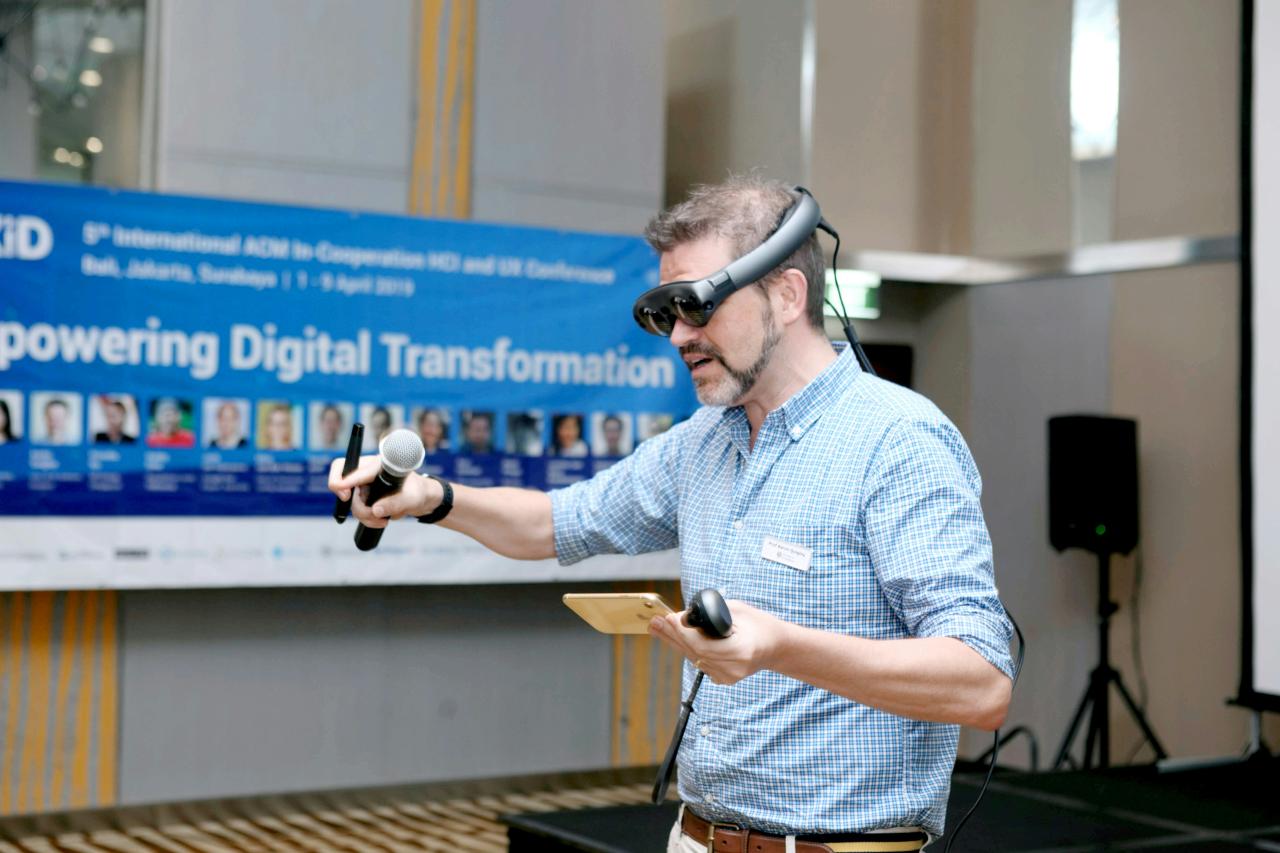
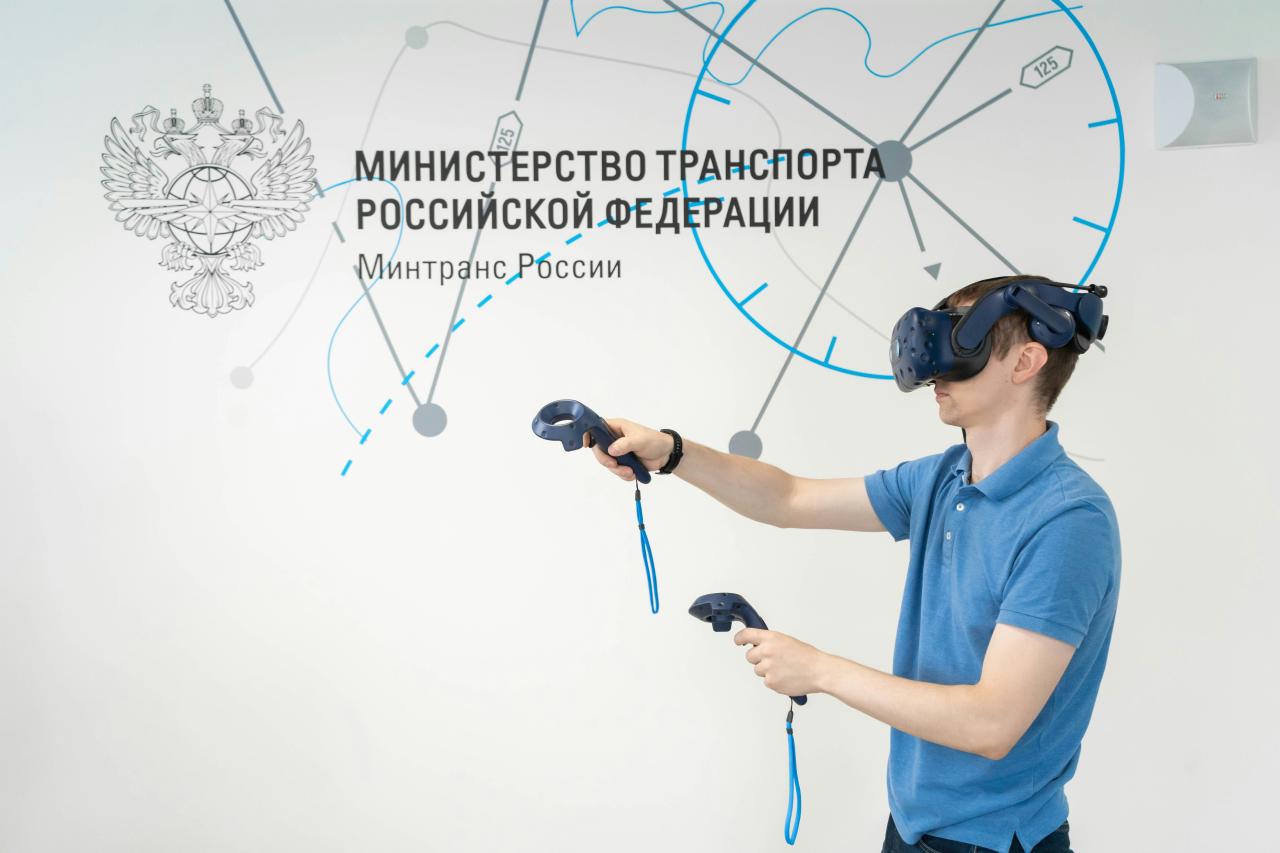
Our social interactions are moving beyond 2D screens and into immersive, three-dimensional environments. The “metaverse” concept is transforming gaming, remote work, and even digital fashion into a multi-sensory experience.
A. Developing high-fidelity avatars that allow for more nuanced non-verbal communication in virtual spaces.
B. Hosting virtual events, such as concerts and conferences, that can accommodate millions of attendees simultaneously.
C. Creating “digital twins” of physical offices to foster a sense of presence among remote team members.
D. Integrating blockchain technology to ensure true ownership of digital assets and land within virtual worlds.
These immersive spaces are blurring the lines between physical and digital presence. They offer a level of connectivity that traditional video calls simply cannot match, making the world feel significantly smaller.
The Impact of Artificial Intelligence on Daily Life
Artificial Intelligence has transitioned from a science-fiction trope to a silent partner in our daily decision-making processes. From the content we see on our feeds to the way we draft emails, AI is everywhere.
A. Utilizing generative AI tools to assist in everything from coding and writing to graphic design.
B. Implementing algorithmic curation that personalizes the internet experience for every individual user.
C. Leveraging voice assistants to manage smart home environments and streamline personal productivity.
D. Using machine learning to detect patterns in global data, aiding in everything from medical research to climate modeling.
AI is essentially a cognitive exoskeleton for humanity. It allows us to process information and execute tasks at speeds that were previously unimaginable, though it requires a new level of digital literacy to use responsibly.
Digital Wellness and the Fight Against Burnout
As our lives become more digital, the importance of “switching off” has become a central theme in modern culture. Digital wellness is about finding a healthy balance between our online and offline selves.
A. Adopting “digital detox” rituals where users intentionally disconnect from all screens for a set period.
B. Utilizing focus modes and app timers to reduce the psychological fatigue associated with constant notifications.
C. Prioritizing “analog” hobbies like gardening or physical reading to counteract the effects of blue light and dopamine loops.
D. Participating in online communities that focus on mental health support and mindfulness practices.
Maintaining mental clarity in a world of infinite scrolls is a vital modern skill. Digital wellness ensures that technology remains a tool for improvement rather than a source of stress.
The Decentralization of Information and Finance
Centralized institutions are losing their grip on how information is shared and how value is exchanged. Digital culture is increasingly moving toward “Web3” principles where the user is in control.
A. Embracing decentralized finance (DeFi) to bypass traditional banking systems for lending and borrowing.
B. Using decentralized social media platforms where users own their data and cannot be arbitrarily censored.
C. Implementing “smart contracts” to automate legal and financial agreements without the need for third-party intermediaries.
D. Adopting peer-to-peer news sharing to bypass traditional media outlets and corporate bias.
Decentralization is about returning power to the individual. It creates a more resilient and transparent digital society where the rules are written in code rather than behind closed doors.
E-Sports and the Professionalization of Gaming
Gaming is no longer just a pastime; it is a multi-billion dollar industry that rivals traditional sports in viewership and revenue. E-sports have become a legitimate career path and a major pillar of digital culture.
A. Building professional training facilities for gamers that mirror the facilities of Olympic athletes.
B. Developing streaming platforms where fans can interact with professional gamers in real-time.
C. Creating specialized college scholarships for e-sports talent to foster the next generation of competitors.
D. Integrating high-end fashion and lifestyle brands into gaming culture through “skins” and digital merch.
The rise of e-sports shows how digital skills are increasingly valued on the same level as physical ones. It is a testament to the power of community and competition in the virtual realm.
The Evolution of Digital Privacy and Identity
How we present ourselves online and who has access to our data are the two biggest debates in digital culture today. We are moving toward a future where “sovereign identity” is the standard.
A. Utilizing biometric security and two-factor authentication to protect our digital footprints from theft.
B. Adopting “burner” identities or pseudonyms to maintain privacy while participating in online discourse.
C. Advocating for “Right to be Forgotten” laws that allow users to erase their history from search engines.
D. Using encrypted messaging apps to ensure that private conversations remain truly private.
Privacy is becoming a luxury good in the digital age. Those who understand how to protect their data will have a significant advantage in the future digital landscape.
Remote Work and the Global Nomad Lifestyle
The ability to work from anywhere has decoupled our careers from our physical locations. This has led to the rise of “digital nomads” who travel the world while maintaining high-level professional roles.
A. Utilizing asynchronous communication tools like Slack and Notion to manage teams across different time zones.
B. Developing “Co-living” and “Co-working” spaces in exotic locations to cater to the remote workforce.
C. Leveraging digital-only banking and insurance services that follow you across international borders.
D. Adapting company cultures to focus on “output” rather than “hours spent at a desk.”
This trend is reshaping the world’s urban centers and rural villages alike. It allows for a more flexible lifestyle that prioritizes experience and adventure over the traditional office commute.
Conclusion

Our digital culture is a reflection of our collective hopes and fears. It is a living entity that evolves with every click and every line of code. We must learn to use these tools to enhance our humanity, not replace it. The trends we see today are only the beginning of a much larger shift. Staying informed is the only way to remain relevant in this fast-paced world.
Connectivity has the power to solve our most pressing global problems. However, we must also be mindful of the risks that come with total integration. The future of digital culture is ultimately in the hands of the users. Choose to engage with technology in a way that adds value to your life. The world is becoming more connected, more digital, and more exciting every day.