
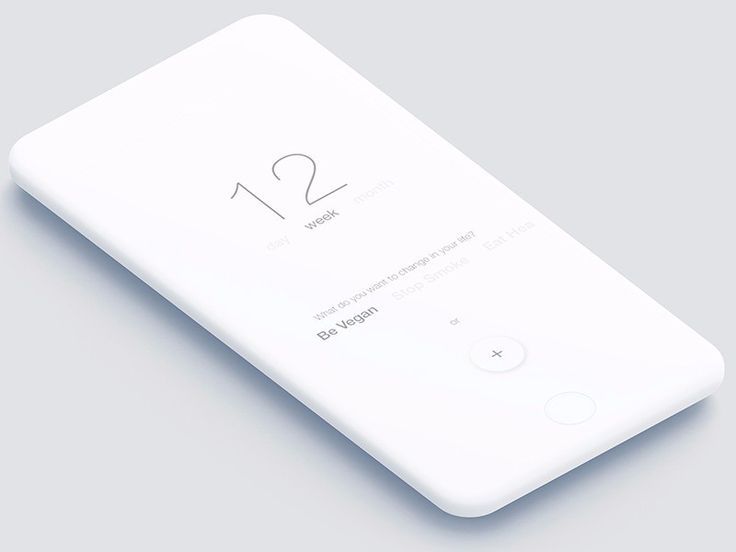
The digital world is awash with complexity. We are constantly bombarded with notifications, pop-ups, and an overwhelming array of options. For years, minimalist design has stood as a counter-movement, a philosophy that championed “less is more.” It promised clean interfaces, intuitive navigation, and a welcome sense of calm. But this initial phase, defined by stark grids and a removal of all non-essential elements, has reached its limit. We are now witnessing the birth of minimalism’s next chapter, one that moves beyond a simple aesthetic to a more profound, human-centric philosophy. This evolution isn’t about removing elements just for the sake of it; it’s about intentionality—about making every pixel, every interaction, and every moment on a screen serve a meaningful purpose.
A. From Static Pages to Fluid Experiences
The early days of digital minimalism were often characterized by static, grid-based layouts. The design was clean, but it could feel rigid and impersonal. Today, the new wave of minimalist UI design embraces fluidity and adaptability, creating experiences that feel dynamic and responsive to the user’s needs.
- Responsive and Adaptive Layouts: The old design paradigm was a one-size-fits-all approach. The new one is fundamentally different. A truly minimalist UI now intelligently adapts to various screen sizes, device types, and even ambient light conditions. This goes beyond simple responsiveness; it’s about a design system that understands context. For example, a banking app on a small smartphone screen will prioritize key actions like checking balances and transferring money, while the same app on a tablet might display a more comprehensive dashboard with charts and investment data. This adaptability reduces cognitive load because the user is never presented with an overwhelming amount of information they don’t need at that moment.
- The Power of Micro-Animations: In the quest for simplicity, early minimalist designers often shunned animations. However, we’ve learned that well-executed micro-animations are not clutter; they are essential feedback mechanisms. These subtle, purposeful movements guide the user’s eye and provide a sense of delight. A button subtly pulsing to indicate it’s clickable, a smooth transition when a menu slides open, or a small checkmark that animates upon completion—these small details make the interface feel alive and responsive. They communicate status and intent without the need for additional text or visual noise. By using these animations judiciously, designers can create a more engaging and intuitive experience while maintaining a clean aesthetic.
- Seamless Transitions: The new minimalism emphasizes the journey, not just the destination. As a user moves from one screen to another, the transition should be smooth and logical. This helps the user maintain their mental model of the interface. Instead of a jarring switch between pages, a fluid transition gives the user a sense of place and spatial awareness within the digital product. This is especially critical in mobile apps and single-page applications where the user flow can be complex.
B. Embracing Human-Centric Minimalism
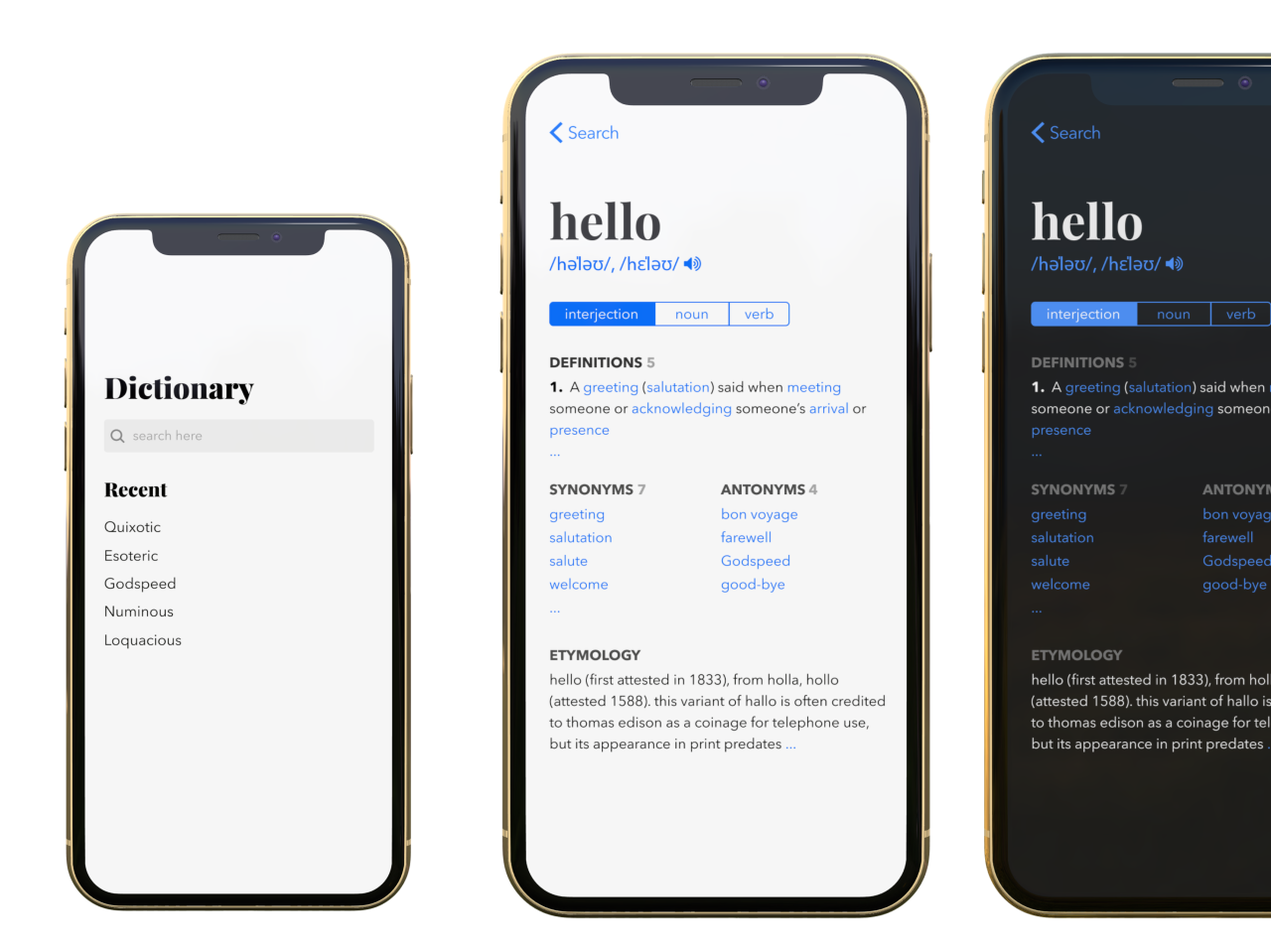
The shift is from a cold, sterile aesthetic to a more empathetic, human-centric approach. Modern minimalism understands that an interface must be more than just functional; it must be emotionally resonant and accessible to everyone.
- Emotional Design and Storytelling: While a clean layout is important, an interface devoid of emotion can feel flat and uninviting. The new minimalism incorporates elements of emotional design to create a connection with the user. This can be achieved through a carefully chosen color palette, a friendly tone of voice, or a unique illustration style. A simple weather app, for instance, can evoke a sense of calm with its soft color gradients and gentle typography. The goal is to make the user feel comfortable and understood, not just to present them with data. This approach uses simplicity to amplify the emotional message, making it more impactful.
- Inclusive and Accessible Design: True minimalism is, by its very nature, inclusive. By stripping away unnecessary complexity, designers make interfaces easier to navigate for a wider range of users, including those with visual, motor, or cognitive impairments. The next chapter of minimalism takes this a step further by prioritizing accessibility from the start. This includes using high-contrast colors to ensure readability, designing interactive elements that are large enough to be easily tapped, and providing clear, logical navigation for screen readers. An accessible interface is a clean interface, and modern minimalist design recognizes that usability for everyone is non-negotiable. It’s an ethical design choice that also leads to a better user experience for all.
- Personalization and Dynamic Content: Old minimalism was often static and unchanging. The new approach is much more dynamic. It leverages data and user behavior to personalize the experience, showing the user only what they need to see at that specific moment. A news aggregator app, for example, might display a simple, clean interface on its homepage, but it intelligently learns the user’s preferences and surfaces relevant headlines without the need for a cluttered, keyword-heavy search bar. This dynamic content delivery is the pinnacle of modern minimalist design—it achieves simplicity by making the interface smarter, not by simply hiding features.
C. The Role of Content: From Filler to Core Component
In a minimalist interface, there’s nowhere for poor content to hide. Content is no longer an afterthought; it is a primary design element. Every word, image, and video must be purposeful and well-crafted.
- Clarity and Brevity: In a space with minimal visual cues, the power of words is amplified. Every piece of text—from a headline to a button label—must be clear, concise, and direct. The new minimalism champions microcopy that guides the user effortlessly. Instead of “Submit,” a button might say “Request a Quote,” providing a clear action and expectation. This focus on clear communication reduces confusion and streamlines the user journey. The result is an interface that feels intuitive because it is genuinely easy to understand.
- Visual Storytelling: While text is crucial, a modern minimalist UI often relies on powerful visual assets to convey a message. Instead of a dense block of text, a well-placed hero image or a single, compelling illustration can tell a story. This approach is prevalent in e-commerce, where a product page might feature a single, high-quality photograph and a few key benefits, rather than an overwhelming list of specifications. The visuals themselves become the content, creating a clean yet rich experience.
- The Unseen Power of Haptic Feedback and Sound: Beyond the visual, the new minimalist UI incorporates other senses. Haptic feedback—the use of touch sensations—can provide subtle confirmation when an action is completed, like a gentle buzz when a form is successfully submitted. Similarly, thoughtful use of sound design can create an auditory layer that guides the user without adding any visual clutter. These are invisible elements that contribute to a holistic and well-designed minimalist experience.

D. The Technology Behind the Change
This evolution isn’t happening in a vacuum. It is enabled by significant technological advancements that allow designers to create intelligent, responsive, and seamless experiences without clutter.
- Artificial Intelligence and Machine Learning: AI is perhaps the single biggest catalyst for the new minimalism. It allows interfaces to be predictive and hyper-personalized. By analyzing user behavior, AI can anticipate needs and display only the most relevant information. This is what makes a minimalist streaming service homepage possible; the algorithm learns your preferences and presents a few tailored options instead of a full, confusing library. This moves the design from a static presentation of data to a dynamic, intelligent conversation with the user.
- Augmented and Virtual Reality: As AR and VR become more mainstream, the need for minimalist UI is paramount. In these immersive environments, a traditional, visually heavy interface would be a major distraction. The future of minimalist UI in AR/VR is one that is largely invisible, with information presented contextually and unobtrusively. This will push the boundaries of design, forcing it to be even more intentional and purpose-driven.
E. The Future is Intentional
Minimalism’s next chapter is not a fleeting trend but a fundamental shift in design philosophy. It’s a move away from the rigid, “remove everything” approach to a more nuanced, intelligent, and human-centric one. This new paradigm recognizes that true simplicity comes from a deep understanding of the user and a commitment to serving their needs with elegance and clarity. It is a design philosophy rooted in purpose and defined by the principle that every element must justify its existence. By embracing fluidity, humanity, and a technological backbone, modern minimalist design promises to create a digital world that is not only beautiful but also profoundly more useful and meaningful. The future of design isn’t about what we take away, but about the value we create with what remains.