


As Artificial Intelligence (AI) continues to evolve at a remarkable pace, designers face a critical challenge: how to ensure that the products and systems they create serve humanity responsibly. In the modern digital world, ethical design has become more than just a buzzword—it is a necessity.
AI influences every part of our daily lives, from personalized ads and social media feeds to healthcare diagnostics and financial decision-making. While its benefits are vast, AI’s rapid growth has sparked questions about data privacy, user manipulation, discrimination, and moral accountability.
In this article, we explore the core principles of ethical design in the age of AI, how designers can apply them, and what the future holds for technology that respects human values.
Understanding Ethical Design
Ethical design refers to the practice of creating digital systems that align with human values such as transparency, fairness, empathy, and accountability. It ensures that users are not exploited, deceived, or harmed by design choices.
The rise of AI has made this principle more urgent than ever. Designers now hold power not just over visuals and interactions, but over decisions that can directly impact people’s lives—such as determining who gets a loan, which medical diagnosis is prioritized, or what information is visible online.
Ethical design demands that technology serves users, not manipulates them. It requires deep reflection on intent, consequences, and inclusivity.
Why Ethical Design Matters in the Age of AI
A. Trust and Transparency
When users interact with AI-driven systems, they deserve to know how decisions are made. Transparency builds trust, especially in sensitive domains like health, finance, or social media moderation. If people understand how AI works and why certain outcomes appear, they are more likely to feel safe engaging with technology.
B. Avoiding Bias and Discrimination
AI models learn from data, and that data often carries human bias. When left unchecked, algorithms can perpetuate or even amplify inequalities. Ethical design ensures datasets are diverse, inclusive, and representative of all demographics.
C. Protecting Privacy
AI systems thrive on data, but ethical design limits unnecessary collection. Designers must implement privacy-first principles, ensuring that users have control over their personal information and understand how it is used.
D. Enhancing User Well-Being
AI products should improve people’s lives—not manipulate emotions, attention, or behavior. For example, a social app should encourage meaningful connections, not addiction through infinite scroll or clickbait-driven algorithms.
E. Accountability in Design Decisions
Every product choice—from button placement to data handling—has consequences. Ethical design demands that creators take responsibility for the impact of their systems.
Core Principles of Ethical AI Design
A. Fairness
AI must treat every user equitably. Designers should ensure their systems do not discriminate based on race, gender, location, or economic background.
B. Transparency
Users should understand how and why AI makes decisions. This includes clear communication about algorithms, data usage, and limitations.
C. Privacy
Respecting user privacy means minimizing data collection and providing options to control it. Ethical systems must also comply with data protection laws like GDPR or CCPA.
D. Accessibility
Technology should be inclusive. Ethical design ensures AI tools are accessible to users with disabilities, different languages, and varying levels of digital literacy.
E. Human-Centered Control
AI should support human decision-making, not replace it. Systems must empower people rather than dictate their behavior.
Real-World Examples of Ethical and Unethical Design
A. Ethical Example: Apple’s Privacy-Focused Ecosystem
Apple’s emphasis on user privacy—such as on-device processing for Siri and limited data sharing—demonstrates how design can prioritize ethics without sacrificing innovation.
B. Unethical Example: Cambridge Analytica Scandal
This incident revealed how data misuse can influence elections and manipulate public opinion. It underscored the dangers of designing AI systems without accountability or transparency.
C. Ethical Example: Google’s AI Principles
Google introduced AI guidelines that restrict the development of weapons-related or surveillance-based AI, showing how corporations can embed ethics into product development.
D. Unethical Example: Biased Facial Recognition Systems
Numerous AI-powered facial recognition tools have shown racial bias due to unbalanced training data. Ethical design would have demanded more inclusive datasets and transparent review processes.
The Role of Designers in Ethical AI
A. Understanding the Human Impact
Designers must look beyond aesthetics and usability to consider emotional and societal consequences.
B. Collaborating with Ethicists and Researchers
Integrating ethics experts into design teams ensures moral implications are evaluated from the start.
C. Creating Ethical Frameworks
Organizations should build internal ethical guidelines to evaluate projects before launch.
D. Encouraging Feedback Loops
Designers must allow users to report problems, bias, or discomfort and actively integrate that feedback.
E. Continuous Learning
Ethical design is not a one-time achievement—it’s an evolving practice that adapts to new technologies and cultural contexts.
Ethical Challenges in AI Development
A. Algorithmic Bias
Even well-intentioned systems can produce biased results if training data is unbalanced.
B. Deepfakes and Manipulative Content
AI-generated media can spread misinformation or be used maliciously. Ethical design requires building detection systems and promoting authenticity.
C. Surveillance and Data Tracking
Many AI applications rely on massive data collection. Ethical systems must find ways to function effectively without invading privacy.
D. Ownership of AI Decisions
When AI makes mistakes, who is responsible? Designers, developers, or companies? Ethical frameworks must clearly define accountability.
E. Environmental Impact
Training large AI models consumes significant energy. Sustainable design must consider the ecological footprint of AI development.
How to Implement Ethical Design in AI Projects
A. Adopt an Ethics-by-Design Approach
Ethics should be built into the product lifecycle from concept to deployment—not added afterward.
B. Conduct Ethical Audits
Regularly review data sources, algorithms, and outcomes to identify potential bias or ethical breaches.
C. Diversify Teams
Diverse teams bring broader perspectives, helping to detect bias early.
D. Prioritize Transparency in User Interfaces
Design clear interfaces that explain AI behavior, options, and user control.
E. Encourage Regulation Compliance
Stay informed about evolving ethical standards and legal requirements across industries.
The Connection Between Ethical Design and Brand Reputation
Brands that adopt ethical AI design gain trust and loyalty. Transparency and fairness resonate deeply with consumers, especially younger generations like Gen Z, who value authenticity and responsibility.
Conversely, unethical AI design can destroy reputations overnight. Scandals involving data misuse or bias damage credibility, leading to financial loss and long-term distrust. Ethical design, therefore, is not only a moral obligation—it’s a strategic business decision.

The Future of Ethical Design in AI
A. Integration of AI Ethics in Education
Universities and design schools are now introducing AI ethics courses, preparing future designers to prioritize moral reasoning.
B. Global Standards for AI Ethics
International organizations are developing unified ethical guidelines to ensure global consistency in AI deployment.
C. Rise of Explainable AI (XAI)
Explainable AI focuses on making complex algorithms understandable to non-technical users—an essential aspect of ethical transparency.
D. Collaborative AI Development
Open-source communities are promoting shared responsibility, allowing global collaboration on fair and ethical AI solutions.
E. Human-AI Symbiosis
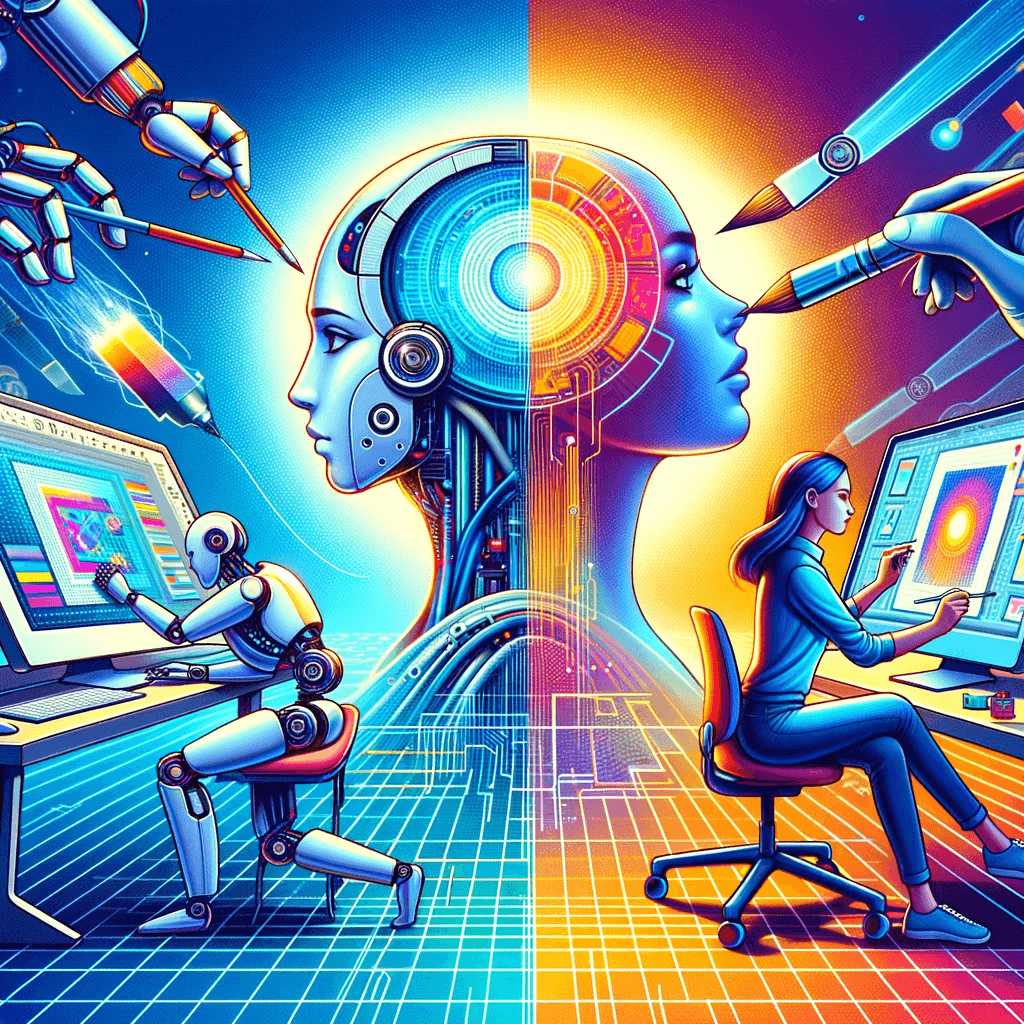
The future will not pit humans against machines but integrate both harmoniously. Ethical design ensures that this partnership benefits all.
Practical Steps for Designers
A. Ask Ethical Questions Early
What could go wrong with this design?
Who might be harmed?
How can we prevent misuse?
B. Document Design Decisions
Maintaining ethical documentation helps organizations trace back reasoning if issues arise.
C. Test for Inclusivity
Run product tests across various cultural, social, and physical contexts to ensure fairness.
D. Encourage Open Discussions
Foster a company culture where ethical debates are welcome.
E. Measure Ethical Impact
Use metrics that evaluate not only performance but also moral and social influence.
Conclusion
Ethical design in the age of AI represents the intersection between innovation and responsibility. As technology becomes more intelligent, so must our approach to creating it. Designers and developers hold immense power—power that must be exercised with empathy, fairness, and foresight.
AI’s potential is limitless, but so are its risks. By integrating ethical principles into every stage of design, we can ensure that AI enhances human lives rather than undermines them. The goal is simple yet profound: to create technology that works for humanity, not against it.