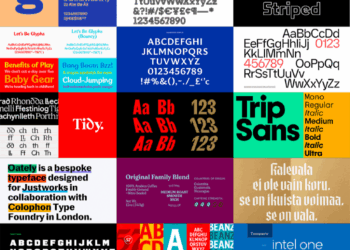


Designing a world-class brand identity in the modern era is far more than just creating a memorable logo or choosing a vibrant color palette. It is a highly strategic process of building a visual and psychological bridge between a company’s core values and its target audience’s deepest desires. We are currently witnessing a major shift in the global market where consumers no longer buy products; they subscribe to the stories and aesthetics that brands represent. This evolution requires a mastery of semiotics, color psychology, and multi-sensory design to ensure that every touchpoint feels cohesive and intentional.
Elite branding blueprints allow a business to command a premium price and foster long-term loyalty by establishing an aura of authority and trust. Navigating this competitive landscape means understanding the delicate balance between timeless design principles and the rapidly changing digital trends of the twenty-first century. This guide serves as a comprehensive masterclass in the frameworks used by top-tier creative agencies to build brands that dominate their industries. By focusing on the synergy between emotional resonance and technical precision, you can transform a simple business into a legacy icon. Let us explore the mechanics of high-performance branding and discover how to craft a visual identity that resonates on a global scale.
The Foundation of Strategic Brand Positioning

Before a single pixel is moved or a font is selected, an elite brand must have a rock-solid conceptual foundation. This foundation defines its place in the market and how it will be perceived by the public.
A. Defining the Brand Archetype and Voice
By aligning a brand with a universal human archetype, such as the Hero or the Sage, you create an immediate connection. This connection works on a subconscious level, making the brand feel familiar and trustworthy to the consumer.
B. Competitive Landscape and Gap Analysis
Understanding what the competition is doing allows you to identify “white space” in the market. This is where your brand can stand out uniquely without being a carbon copy of others.
C. The Core Value Proposition (CVP) Framework
A brand must clearly articulate the specific transformation it offers to its customers. This needs to be done in a way that is simple, bold, and absolutely undeniable.
Visual Architecture and Design Systems
A design system is essentially the DNA of a brand. It ensures that every piece of content looks like it belongs to the same family.
A. Psychological Color Theory and Emotional Mapping
Colors are not just aesthetic choices; they are biological triggers. They can increase appetite, build trust, or spark a sense of urgency depending on the shade used.
B. Typography and the Hierarchy of Information
Selecting fonts is an exercise in tone and personality. A serif font might suggest heritage and stability, while a clean sans-serif suggests modern innovation and speed.
C. Iconography and Custom Illustration Libraries
Unique visual assets prevent a brand from looking generic. They provide a proprietary language that competitors cannot easily copy or replicate.
The Digital Experience and User Interface Integration
In today’s world, a brand is often experienced first through a screen. This makes digital fluidity a mandatory requirement for any modern business.
A. Responsive Design and Cross-Platform Consistency
Your brand identity must remain intact regardless of the device. It should look perfect on a massive monitor or a small smartphone screen.
B. Motion Design and Brand Interaction Rhythms
The way a menu slides out or a button reacts adds a layer of “personality” to the experience. Static images cannot match the engagement of well-timed motion design.
C. Accessibility and Inclusive Design Standards
Elite brands ensure that their visual identity is usable for everyone. This includes those with visual or cognitive impairments who use assistive technologies.
Sensory Branding and Emotional Resonance
Beyond sight, the most powerful brands engage other senses. This creates a multi-dimensional memory in the mind of the consumer.
A. Sonic Branding and Audio Identity
A specific sound or a particular tone used in videos can become as recognizable as a logo. Think of the unique chimes associated with world-leading tech companies.
B. Tactile Experiences and Material Selection
For physical products, the weight of the packaging provides a “haptic” confirmation of quality. The texture of the materials can make a product feel luxurious before it is even used.
C. Olfactory Branding and Ambient Environments
Many high-end retail brands use signature scents in their stores. These scents trigger relaxing emotions that keep customers browsing for longer periods.
Protecting and Scaling the Brand Identity
Once a brand is built, it must be protected through strict governance. This prevents the brand from becoming diluted as the company grows and expands.
A. The Comprehensive Brand Style Guide
This document serves as the “constitution” for the brand. It details exactly how logos, colors, and fonts should be used in every possible scenario.
B. Asset Management and Digital Version Control
Centralizing all brand assets ensures that global teams are always using the right files. This avoids the use of outdated logos or incorrect color profiles.
C. Brand Auditing and Periodic Refresh Cycles
Even the best brands need to evolve over time. Regular audits help identify when a visual identity is starting to look dated or out of touch.
Psychology of Visual Perception in Branding
How humans perceive shapes and patterns is a vital part of elite design. We must understand the brain’s shortcuts to create effective visuals.
A. Gestalt Principles and Visual Harmony
These principles explain how the human eye perceives groups of elements. Mastering them allows designers to create layouts that feel balanced and unified.
B. The Golden Ratio in Logo Composition
Nature’s mathematical formula for beauty can be applied to logo design. Using these proportions creates a sense of organic perfection that the human eye naturally loves.
C. Negative Space and Hidden Meanings
Using the space around and between subjects can create secondary imagery. This adds a layer of intelligence and wit to a brand that consumers find rewarding.
Establishing Brand Authority through Content
The visuals provide the shell, but the content provides the substance. High-level branding requires a consistent message across all channels.
A. Storytelling as a Brand Pillar
Every brand should have a clear “origin story” that humanizes the business. People relate to stories of struggle and triumph much more than corporate statistics.
B. Micro-Copy and the Brand Personality
The small bits of text, like button labels or error messages, should match the brand voice. Even an 404 error page is an opportunity to reinforce the brand’s character.
C. Video Content and Visual Continuity
Video is the most consumed form of content today. Ensuring that filters, pacing, and graphics match the brand style is essential for recognition.
Cultural Adaptation and Global Identity
A brand that works in one country might fail in another due to cultural nuances. Global brands must be adaptable without losing their core.
A. Symbolism and Cultural Taboos
Colors and symbols have different meanings in different cultures. For example, white can represent purity in one culture but mourning in another.
B. Localization of Brand Language
Translating a slogan literally can often lead to embarrassing mistakes. Elite brands work with local experts to adapt the message while keeping the emotional intent.
C. Global vs. Local Brand Balance
The challenge is to remain a recognizable global entity while still feeling local to each market. This requires a flexible design system that allows for regional variations.
The Role of Typography in Brand Trust
Typography is often overlooked, but it is one of the most powerful tools for establishing authority. The font you choose speaks before the words are even read.
A. Custom Font Development
Many top-tier brands commission their own unique typefaces. This ensures total uniqueness and saves on long-term licensing fees for large-scale use.
B. Readability vs. Expressive Typography
There is a balance between a font that looks “cool” and one that is actually easy to read. Elite designers prioritize legibility for body text while using expressive fonts for headlines.
C. Vertical and Horizontal Rhythm
The spacing between letters and lines creates a “texture” on the page. Proper spacing makes the reading experience effortless and professional.
Impact of Minimalist Design Blueprints
The modern trend is moving toward “less is more.” Minimalism is about stripping away the noise to reveal the essence of the brand.
A. Reducing Cognitive Friction
A minimalist design allows the user to find what they need faster. It removes distractions and focuses the attention on the primary call to action.
B. Timelessness over Trendiness
Minimalist brands tend to age much better than those following flashy trends. By focusing on simple shapes and clean lines, a brand stays relevant for decades.
C. The Luxury of White Space
In design, white space is a sign of confidence and luxury. It allows the brand elements to “breathe” and gives them more importance on the page.
Future-Proofing the Brand with AI and Automation
The way we build brands is changing due to artificial intelligence. These tools can help scale a visual identity faster than ever before.
A. Generative Design and Iteration
AI can help generate thousands of logo variations based on a set of parameters. This allows human designers to focus on the final curation and strategic direction.
B. Dynamic Brand Identities
Some modern brands change their visual appearance based on the data they receive. For example, a logo might change color based on the local weather or time of day.
C. Automated Brand Compliance
AI tools can now scan marketing materials to ensure they follow the style guide. This reduces the workload for brand managers and ensures total consistency.
Emotional Branding and Customer Advocacy
The ultimate goal of a brand is to turn customers into fans. This requires a deep emotional resonance that goes beyond the visual.
A. Building a Brand Community
Elite brands create spaces where their customers can interact with each other. This builds a sense of belonging that makes the brand hard to leave.
B. Shared Values and Social Responsibility
Modern consumers want to support brands that care about the same things they do. Clearly stating your brand’s stand on social issues can build intense loyalty.
C. The Peak-End Rule in Brand Experience
Humans remember the most intense moment of an experience and the end of it. Designing these specific moments ensures the customer leaves with a positive memory.
Conclusion

Elite visual identity and brand blueprints are the most valuable assets a modern business can possess. Building a successful brand is a long-term marathon that requires constant discipline. Every color and font choice must be backed by data and psychology. The digital world demands that brands be flexible enough to live on any device. Emotional resonance is the secret ingredient that turns a customer into a lifelong fan. Consistency across all touchpoints is what builds the trust needed for high-value sales.
Protecting your brand through a clear style guide is essential for market authority. Innovation in branding involves integrating sound and touch into the user journey. A brand is never truly finished because it is a living entity that evolves. The blueprints provided here offer a roadmap for moving from generic to iconic. Mastering visual storytelling allows you to speak directly to the customer’s heart. A well-designed brand acts as a silent salesperson working twenty-four hours a day.
The era of the “average” brand is over in our hyper-competitive market. Invest in your visual assets today to reap the rewards for many years. True design excellence is making a complex story feel remarkably simple. The future belongs to the brands that balance human empathy with technical precision. Your visual identity is the first and last thing people will remember.