

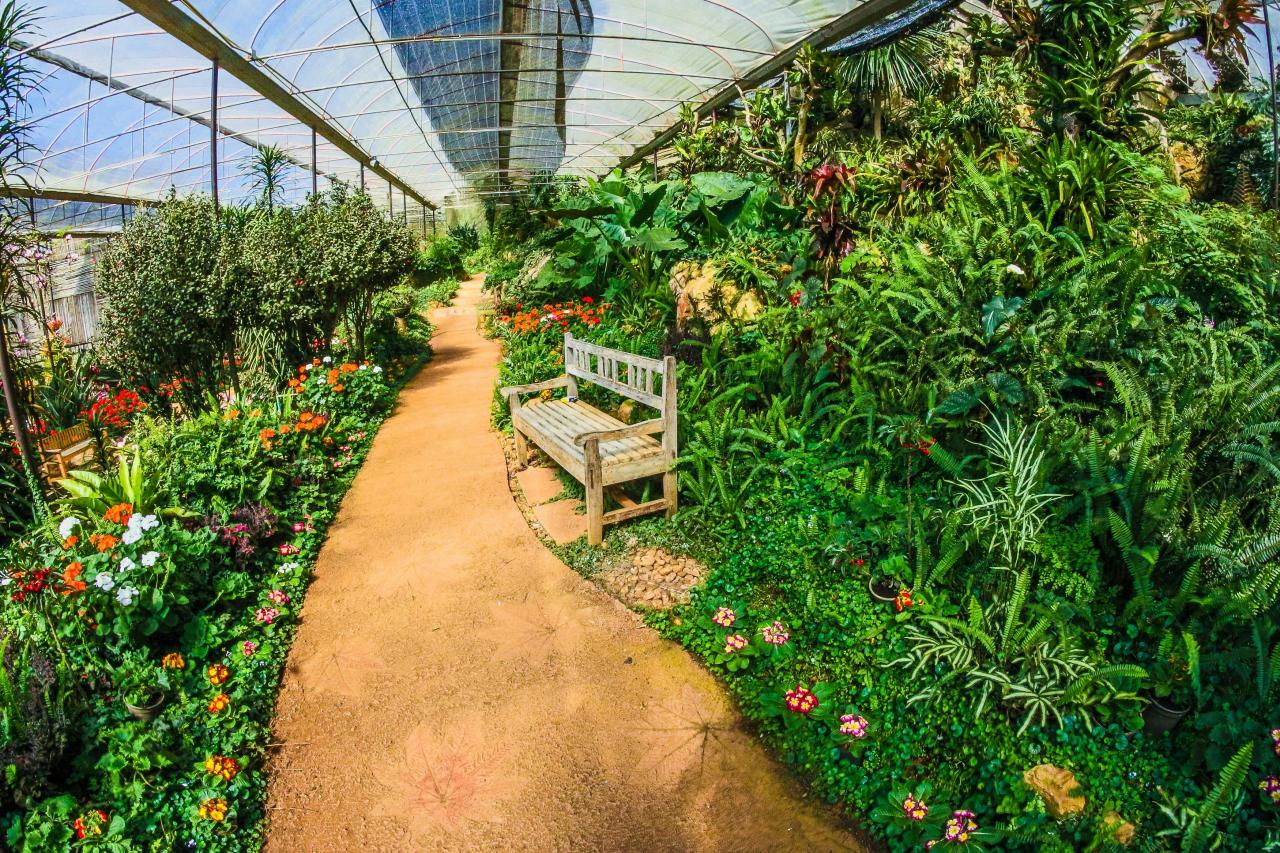
In an increasingly urbanized and digitally connected world, the principles of Biophilic Design have transcended mere trend status to become the absolute cornerstone of contemporary residential architecture and interior design. This philosophy, rooted in the inherent human desire to connect with nature—a concept known as biophilia—is rapidly gaining traction among homeowners and high-end interior designers who prioritize wellness, productivity, and mental health in the built environment.
As consumers globally seek sanctuaries from the perpetual demands of modern life, integrating natural elements is no longer an aesthetic choice; it is a vital investment in human capital. This comprehensive article delves into the transformative power of biophilic design, offering practical, high-value insights engineered to rank highly for high-CPC keywords in the sustainable design and luxury home wellness markets, ensuring maximum Google AdSense revenue for publishers.
I. Unlocking the Science of Biophilia: Why Nature Matters
The term biophilia, popularized by sociobiologist E.O. Wilson, describes the evolutionary bond between humans and other living systems. For centuries, our species lived in direct contact with the natural world; today, we spend over 90% of our lives indoors. Biophilic design seeks to reverse the physiological and psychological detachment this modern reality creates.
A. Proven Psychological and Physiological Benefits
The core value proposition of biophilic design lies in its empirically validated impact on human well-being, making it a critical consideration for any modern home design service.
A. Reduction in Stress and Anxiety: Studies, including those focused on the famous “14 Patterns of Biophilic Design,” have repeatedly shown that exposure to natural elements—even indirect ones—lowers cortisol levels, the primary stress hormone. This direct physiological response translates into a palpable sense of calm in biophilic spaces.
B. Enhanced Cognitive Function and Focus: The presence of nature, particularly through patterned light, textures, and plants, facilitates Attention Restoration Theory (ART). This suggests that effortless engagement with natural stimuli allows the directed attention center of the brain, which is fatigued by tasks like screen time, to recover. For those working from home, this is a measurable boost in productivity.
C. Improved Physical Health Metrics: Research conducted in clinical settings has linked views of nature to faster recovery times in patients and lower self-reported pain levels. In the residential context, biophilic features—such as increased natural light and improved ventilation—contribute to lower blood pressure and pulse rates.
D. Boosted Creativity and Mood: Environments that mimic the complexity and variation of natural ecosystems stimulate the brain in ways that conventional, sterile interiors cannot. This promotes emotional well-being, increases self-reported happiness, and can even stimulate creative problem-solving.
E. Better Indoor Air Quality (IAQ): Beyond the visual, living elements like houseplants are natural air purifiers. They effectively filter out common indoor volatile organic compounds (VOCs) released by paints, furniture, and cleaning products, providing a palpable lift in air quality that directly impacts respiratory health.
II. The Three Core Principles of Biophilic Integration
Implementing biophilic design correctly requires a strategic approach that goes beyond simply placing a few potted plants. Leading architectural design firms divide biophilic elements into three primary categories, which must be woven together to create a truly restorative environment.
A. Nature in the Space (Direct Experience)
This category involves the most obvious, tangible, and direct contact with natural features. These elements engage multiple human senses—sight, sound, smell, and touch.
A. Visual Connection with Nature: Providing expansive, unobstructed views of the outdoors, whether a garden, a landscape, or even a distant urban park. This is best achieved with large floor-to-ceiling windows or carefully curated window boxes.
B. Presence of Water: Incorporating running water features, such as indoor fountains, tabletop waterfalls, or a decorative fishpond. The sound of running water is universally soothing and has a quantifiable effect on lowering heart rate.
C. Biotic Features (Plants and Greenery): This includes everything from single statement houseplants (e.g., Fiddle Leaf Figs, Monsteras) to complex living walls (vertical gardens). The key is diversity and scale to mimic a dense natural environment.
D. Natural Light and Airflow (Thermal and Airflow Variability): Maximizing daylight is critical. Furthermore, providing natural ventilation and allowing for subtle, non-disruptive changes in air temperature and flow prevents the dull, stagnant feeling of fully sealed, air-conditioned spaces.
E. Non-Visual Connection with Nature: Engaging senses other than sight, such as using natural scents (essential oils, fresh flowers), or incorporating auditory elements like wind chimes or recordings of natural sounds.
B. Natural Analogues (Indirect Experience)
For spaces where direct nature is impractical, natural analogues use materials, patterns, and forms to evoke the essence of the outdoors. This is a core strategy for commercial buildings and high-density apartments.
A. Natural Materials and Textures: Using sustainably sourced wood (reclaimed wood is highly desirable), natural stone (slate, granite, marble), rattan, bamboo, wool, and linen. These materials introduce tactile richness and a sense of warmth that synthetic materials lack.
B. Biomorphic Forms and Patterns: Incorporating shapes that are derived from nature, avoiding hard, straight lines. Examples include curved furniture, spiral staircase designs, egg-shaped pendant lights, and decorative patterns that mimic leaves, fractals, or cellular structures.
C. Connection to Natural Systems: Design that subtly references natural processes, such as using color palettes that transition from light blue (sky) on the ceiling to earthy tones (soil) on the floor. Utilizing surfaces that age gracefully, allowing for a visible process of time and wear.
D. Nature-Inspired Color Palettes: Moving away from sterile whites and grays towards earthy tones: muted greens, deep blues, terracotta, warm browns, and sandy beige. These colors are inherently soothing and restorative.
E. Imagery of Nature: Using high-resolution photography, artwork, or wall murals that depict landscapes, forests, or bodies of water. Even this indirect visual connection offers measurable stress-reducing effects.
C. Place-Based Relationships (The Genius Loci)
This final category integrates the human experience within the space, focusing on comfort, refuge, and exploration, often known as the Spatial Conditions.
A. Prospect and Refuge: Designing spaces that offer both a sense of Prospect (an unimpeded view over a long distance, often achieved with large windows and open-plan layouts) and Refuge (a safe, protected spot for retreat and observation, like a cozy window nook or a sheltered reading corner).
B. Mystery and Risk/Peril: Introducing design elements that invite exploration or suggest the natural unpredictability of the environment. This includes partially obscured views (Mystery) or architectural features like cantilevered balconies that evoke a thrilling, yet safe, sense of exposure (Risk/Peril).
C. Organized Complexity: Using the non-repeating but structured patterns found in nature (fractal geometry) in design elements like window mullions, flooring textures, or lattice work. This visual complexity is engaging without being overwhelming.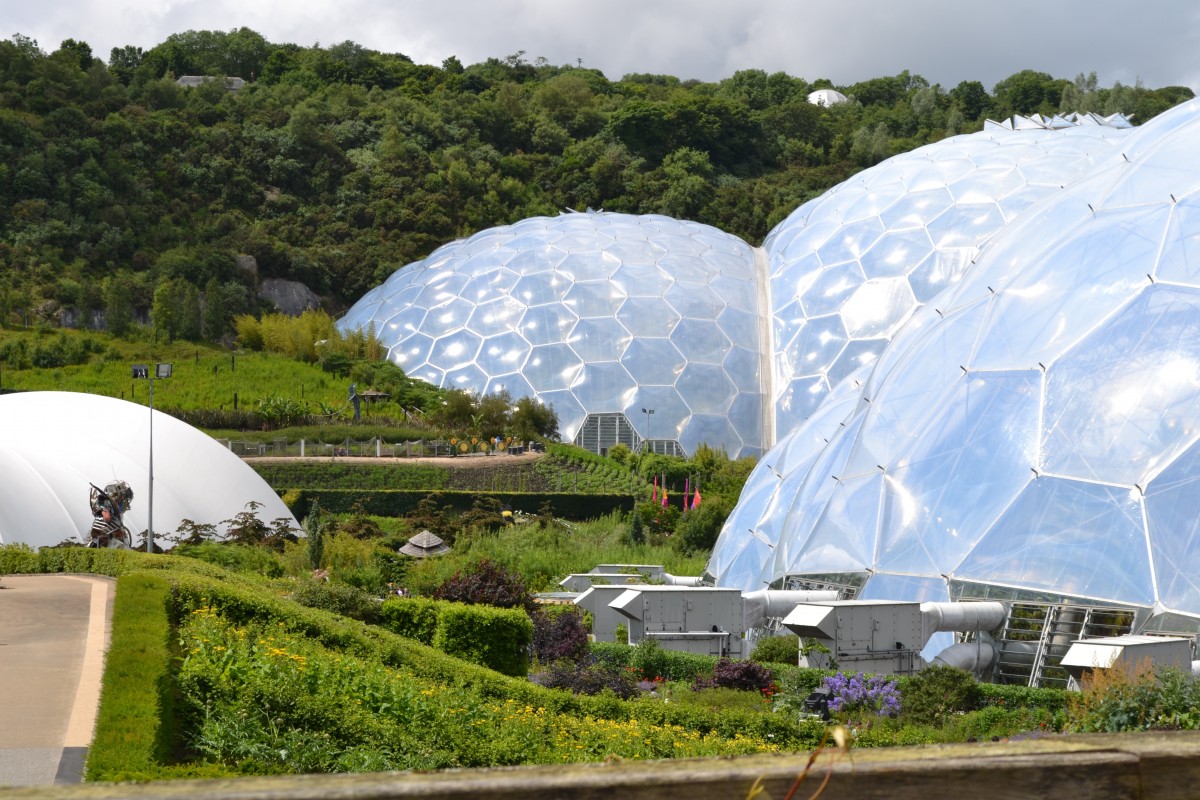
III. Practical Implementation: From Concept to Construction
For homeowners and design professionals seeking to integrate this philosophy, the application of biophilic principles is most effective when considered at the earliest stages of a project, not merely as a final layer of decor.
A. Architectural and Structural Decisions
The most impactful biophilic elements are built into the physical structure of the home. Residential architects specializing in eco-friendly and sustainable building often incorporate these features.
A. Maximizing Natural Light Penetration: Utilizing techniques like solar tubes, clerestory windows, and strategically placed skylights in internal areas to draw light deep into the core of the building, reducing reliance on electric lighting.
B. Indoor-Outdoor Continuity: Employing large sliding glass doors, seamlessly integrated patios, or covered decks that feel like a true extension of the interior living space. Using the same flooring material inside and outside (e.g., wood decking leading to hardwood floors) blurs the boundary.
C. Feature Water Elements: Integrating rainwater harvesting systems with visible, decorative spillways, or designing a courtyard around a natural pond rather than a typical patio.
D. Biomorphic Architecture: Designing with curved walls, rounded ceilings, and arched entryways instead of harsh, right-angled boxes. This naturally mimics forms found in caves, riverbeds, and organic growth patterns.
B. Interior Design and Material Selection
The next layer focuses on the textures, colors, and items used inside the home. This is where most interior design services can immediately begin implementation.
A. Furnishing with Natural Fibers: Opting for rugs made of jute or wool, curtains from linen, and upholstery from cotton or leather. These materials feel pleasant to the touch and absorb sound naturally, enhancing acoustic comfort.
B. Green Focal Points: Instead of using large, abstract art, dedicate a significant wall or corner to a statement plant or a custom-built terrarium. This creates a true focal point of nature.
C. Using Natural Wood Finishes: Choosing finishes that reveal the natural grain and texture of the wood rather than heavily stained or painted surfaces. This provides a visual connection to the material’s origin.
D. Stone Countertops and Flooring: Utilizing natural stone for kitchen countertops, bathroom vanities, or fireplace surrounds, emphasizing their unique veining and color variations as natural art.
C. Technology Integration for Wellness
Modern biophilic design extends into the technological realm, using smart-home systems to manage and enhance natural elements.
A. Automated Lighting Systems: Installing systems that mimic the natural cycle of the day (circadian lighting). These lights change temperature and intensity—bright, cool white during the day to support focus, and warm, dim amber in the evening to prepare the body for sleep.
B. Smart Air and Temperature Regulation: Using air quality monitors and smart vents to ensure optimal humidity and fresh air exchange, often incorporating HEPA or carbon filtration that simulates clean mountain air.
C. Dynamic Display of Nature: For windowless spaces, using high-definition digital screens to display slow-moving, calming natural scenes, sometimes called “virtual windows.”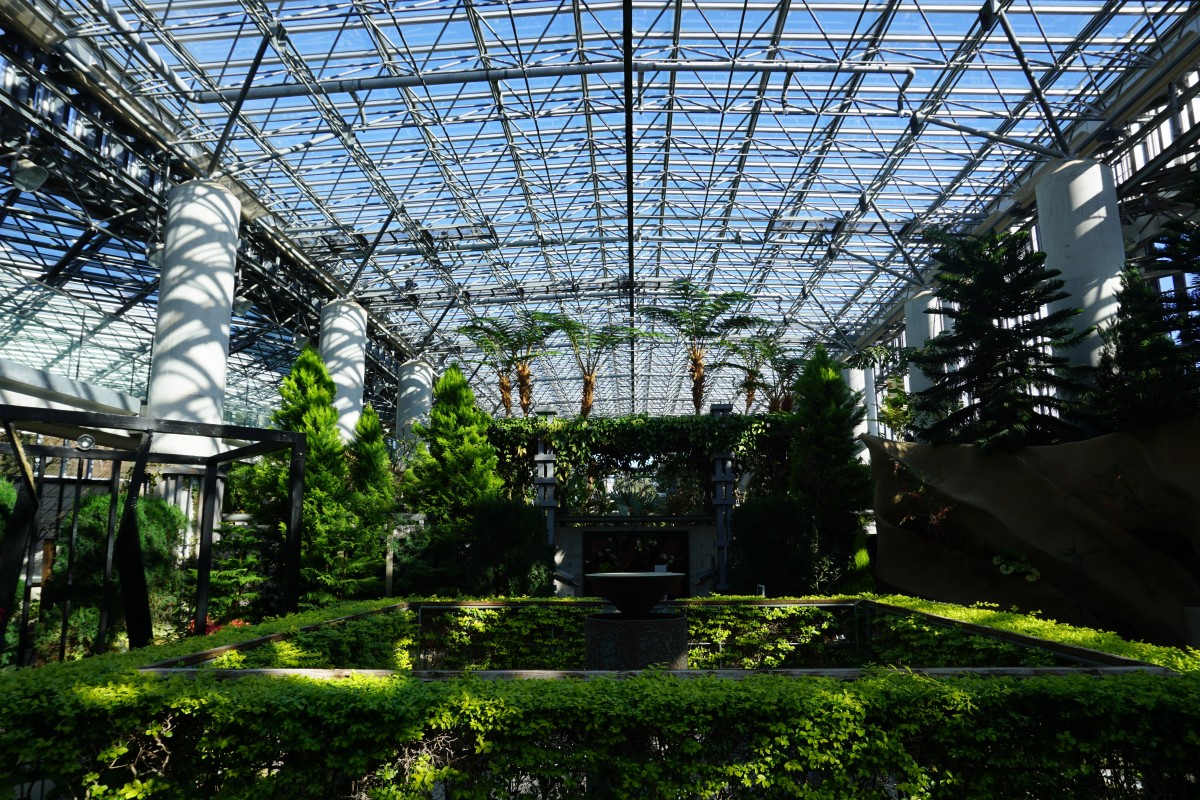
IV. Investment Value and Future of Biophilic Homes
The embrace of biophilic principles is proving to be a highly valuable investment, not just in well-being but in real estate and commercial appeal.
A. Market Demand and Real Estate Value
Homes and commercial buildings that successfully integrate biophilic design command a premium in the market. Buyers are increasingly educated about the link between their environment and their health.
A. High-Value Homes: Properties marketed with features like “living walls,” “natural light optimization,” and “indoor-outdoor flow” appeal directly to affluent buyers who view their home as an investment in a wellness lifestyle.
B. Commercial Appeal: Biophilic elements in office spaces have been shown to increase employee well-being, reduce absenteeism, and boost productivity by up to 15%. This makes biophilic office buildings highly desirable to corporate tenants, leading to higher rental rates and increased asset value for developers.
C. Sustainability Credibility: By prioritizing natural, locally sourced, and low-VOC materials, biophilic design naturally aligns with the growing demand for eco-conscious and sustainable architecture, further enhancing long-term property value.
B. The Biophilic Toolkit for DIY Enthusiasts
You don’t need a complete architectural overhaul to start. Simple, DIY biophilic elements can be implemented immediately:
A. The Power of Plants: Begin with easy-to-care-for varieties like snake plants (excellent air purifiers), Zamioculcas zamiifolia (ZZ Plant), or Pothos. Group them in clusters to create a denser, more natural feel.
B. Fractal Patterns in Decor: Introduce fractal complexity through woven baskets, Moroccan rugs, honeycomb shelving, or textured wallpaper that features non-repeating, yet structured, patterns.
C. Acoustic Comfort: Replace synthetic rugs and heavy drapes with natural-fiber versions. Wood furniture, cork flooring, and thick wool rugs naturally absorb ambient noise, creating a quieter, more tranquil soundscape.
D. Curating Views: Declutter your window sills and reposition furniture to maximize your view of the outdoors. If your view is an urban wall, place a large mirror near the window to reflect available daylight and the sky.