

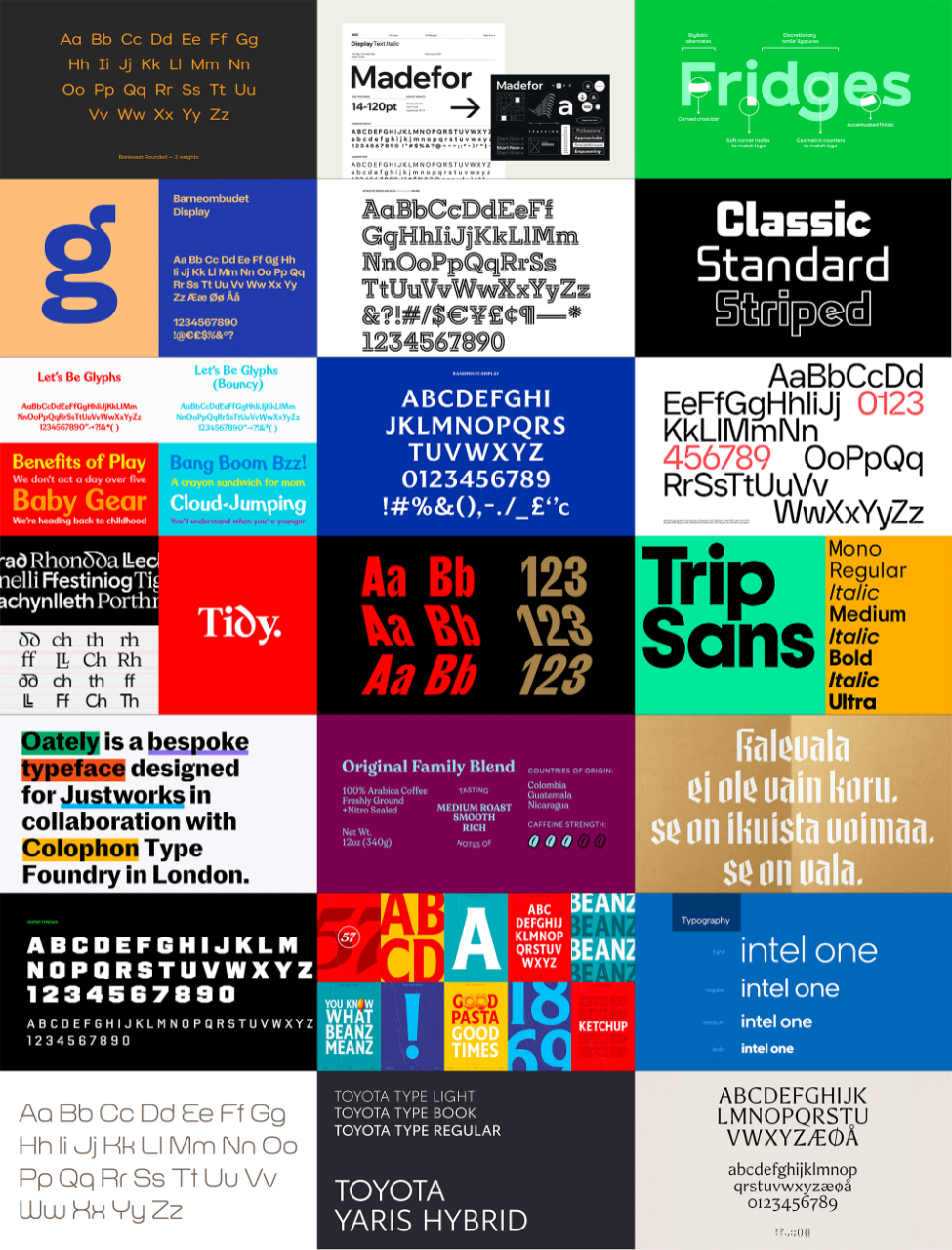
Typography is no longer just about arranging letters on a page. In today’s digital-first economy, where visual content dominates every platform, typography has become one of the most powerful elements of brand communication.
Fonts have the ability to convey emotions, establish identity, and differentiate businesses in highly competitive markets.
For modern audiences with short attention spans, the typeface a brand chooses can determine whether its message resonates or gets lost in the noise.
This article explores how typography trends are reshaping brand communication, the psychology behind fonts, the latest movements in type design, real-world applications, and the challenges brands face in staying relevant.
By the end, you will understand not only what the latest typography trends are, but also why they matter in building strong, recognizable, and engaging brand identities.
Why Typography Matters in Brand Communication
Typography has always been fundamental to design, but its role in branding has grown significantly in the digital age. Every font decision contributes to how audiences perceive a company.
A. First Impressions Are Visual
Consumers often judge a brand within seconds of seeing its logo, website, or ad. Typography shapes that instant impression. A sleek sans-serif may suggest modernity, while a handwritten font conveys authenticity and creativity.
B. Typography Reflects Personality
Fonts act as a visual tone of voice. Just as words communicate ideas, typography communicates emotion. A tech company might choose minimal, geometric typefaces, while a luxury brand leans toward refined serif fonts.
C. Consistency Strengthens Recognition
When a font is applied consistently across packaging, websites, social media, and advertisements, it becomes part of brand memory. Think of Coca-Cola’s script logo or Google’s geometric type—the fonts themselves have become synonymous with the brand.
D. Typography Guides Readability
Communication fails if people cannot easily read the message. Typography determines readability, hierarchy, and flow of information, making it a practical as well as an aesthetic choice.
The Psychology of Typography
Typography influences human perception on a subconscious level. Every font style carries psychological associations that affect trust, engagement, and emotional response.
A. Serif Fonts
Serifs, with their decorative strokes, are associated with tradition, authority, and sophistication. They are common in editorial design, luxury branding, and high-end products.
B. Sans-Serif Fonts
Clean, modern, and minimal, sans-serif fonts are favored by tech companies, startups, and lifestyle brands that want to appear approachable and progressive.
C. Script Fonts
Cursive and calligraphic scripts convey elegance, creativity, or personalization. They are often used in fashion, cosmetics, and artisanal branding.
D. Display Fonts
Bold and unique, display fonts are used sparingly for attention-grabbing headlines. They are effective in advertising campaigns and event promotions.
E. Monospaced Fonts
Originally linked to coding, monospaced fonts suggest utility, precision, and simplicity. Tech-focused and retro brands use them to evoke nostalgia or innovation.
Emerging Typography Trends in Branding
Typography trends evolve as culture, technology, and consumer behaviors change. Today’s brands are experimenting with diverse approaches that reflect digital realities.
A. Bold and Oversized Fonts
Brands are increasingly embracing oversized typography to make a statement. Big typefaces dominate landing pages, billboards, and campaign posters because they instantly capture attention in crowded digital environments.
B. Minimalist Sans-Serif Typography
Minimalism continues to thrive. Sans-serif fonts with simple geometric shapes project clarity and efficiency. This trend aligns with the growing popularity of clean, distraction-free design.
C. Handwritten and Humanized Fonts
In contrast to minimalism, many brands embrace hand-drawn or script-like fonts. These convey warmth, individuality, and authenticity, resonating with consumers seeking human connection in digital spaces.
D. Variable Fonts
Variable fonts, a major technological innovation, allow multiple styles and weights within one file. They improve website performance and give designers flexibility in adapting typography across different devices and screen sizes.
E. Retro and Vintage Typography
Nostalgia remains powerful in branding. Fonts inspired by the 70s, 80s, or 90s evoke cultural familiarity and appeal to younger generations drawn to vintage aesthetics.
F. 3D and Experimental Typography
Advanced software tools enable brands to create 3D, animated, or textured fonts. These dynamic styles stand out in digital advertising, AR/VR experiences, and immersive branding.
G. Inclusive Typography
Accessibility is a growing concern. Fonts designed for readability—such as dyslexia-friendly typefaces—help brands reach wider audiences and demonstrate social responsibility.
How Brands Apply Typography Strategically
Typography is not limited to logos. Its influence spans multiple touchpoints across brand ecosystems.
A. Logos and Wordmarks
Typography defines iconic logos. Brands like Disney, FedEx, and Coca-Cola rely on distinctive fonts that are instantly recognizable worldwide.
B. Websites and Mobile Apps
Digital interfaces require fonts that balance aesthetics and usability. Responsive typography ensures readability across devices while maintaining brand identity.
C. Advertising Campaigns
Typography is central to billboards, digital ads, and print campaigns. Headlines often use bold display fonts to grab attention instantly.
D. Packaging Design
Product packaging relies heavily on typography to stand out on crowded shelves. Fonts communicate product qualities—organic, luxurious, fun, or innovative.
E. Social Media Content
Typography-driven visuals thrive on Instagram, TikTok, and Pinterest. Brands use animated text, memes, and stylish captions to connect with younger audiences.
Challenges in Typography for Brand Communication
While typography offers immense potential, brands face hurdles in adopting trends effectively.
A. Overcrowded Trends
When every brand adopts the same minimal sans-serif font, differentiation disappears. The challenge lies in using trends while maintaining uniqueness.
B. Readability Issues
Experimental typography may look artistic but fail in readability. Brands must strike a balance between creativity and legibility.
C. Cross-Platform Consistency
A font that works beautifully on a billboard may not display well on a mobile app. Maintaining consistency across digital and print platforms requires strategic planning.
D. Licensing and Legal Barriers
Not all fonts are free for commercial use. Brands must secure proper licenses to avoid legal complications.
E. Accessibility Standards
Ignoring accessibility alienates potential consumers. Fonts must meet legibility standards for visually impaired users and diverse audiences.
Future Directions of Typography in Branding
The future of typography is being shaped by technology, culture, and social values. Several emerging directions include:
A. AI-Generated Typography
Artificial intelligence is already designing fonts based on user input. Brands may soon rely on AI to generate custom, adaptive typefaces that evolve with consumer preferences.
B. Typography in AR and VR
As augmented and virtual reality expand, typography will move beyond flat screens. Fonts may float, transform, or interact dynamically in immersive environments.
C. Eco-Friendly Typography
Sustainable design extends to fonts. Lightweight, efficient typefaces reduce digital storage and energy usage, aligning with green branding.
D. Hyper-Personalization
Variable and customizable fonts will enable brands to deliver personalized experiences. Imagine a font that adapts its mood based on user preferences or contexts.
E. Typography as Culture
Fonts will continue to reflect cultural identity, activism, and inclusivity. Expect more localized typefaces inspired by indigenous scripts, community values, and diverse perspectives.
Conclusion
Typography has evolved from a technical necessity into a central pillar of brand communication. In an era of visual saturation, fonts have the power to set brands apart, connect emotionally with audiences, and create lasting impressions.
Today’s trends—from bold oversized type to inclusive and experimental designs—demonstrate how typography reflects broader cultural and technological shifts.
For brands, typography is not just a design detail—it is strategy, psychology, and storytelling combined.
Those who master typography as part of brand communication will not only capture attention but also earn loyalty in an increasingly competitive digital marketplace.
Typography is no longer the silent partner in branding; it has become the voice itself.