

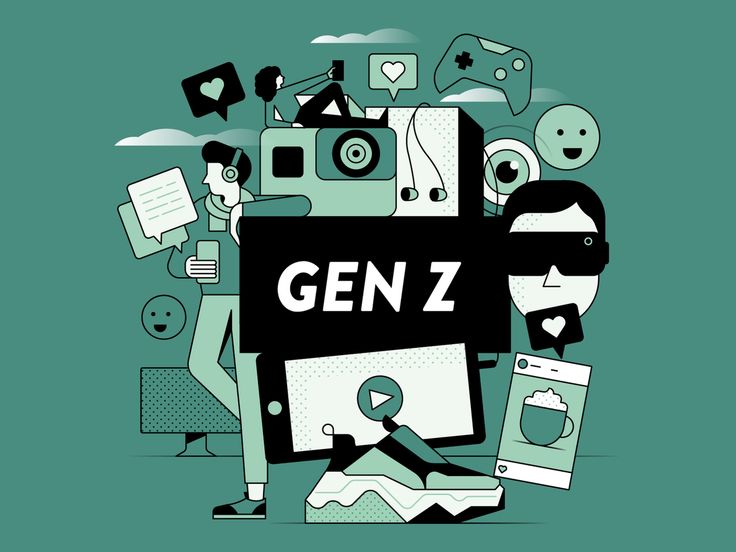
The digital landscape has undergone massive changes over the last two decades, but none more profound than those shaped by Generation Z. Born roughly between 1997 and 2012, this demographic is the first to have grown up entirely in a world dominated by smartphones, high-speed internet, and constant digital connectivity. They are not merely passive consumers of technology—they are cultural architects reshaping aesthetics, trends, and the way people interact with the online world.
This article explores how Gen Z has become the driving force behind modern digital aesthetics, why their influence is so powerful, how brands and creators can adapt to their preferences, and what the future might hold. With a focus on SEO and in-depth analysis, we will dive into every aspect of Gen Z’s impact on the internet.
Who Exactly Is Gen Z?
Before understanding their aesthetic choices, it is important to grasp who Gen Z really is and what makes them unique compared to Millennials, Gen X, or Baby Boomers.
A. True Digital Natives
Gen Z has lived with digital technology since birth. Unlike Millennials who transitioned from analog to digital, Gen Z has always had access to online resources. This makes them exceptionally adept at navigating apps, platforms, and digital tools.
B. Multitasking Masters
It is common for Gen Z individuals to stream music, scroll social media, chat with friends, and research school projects simultaneously. This multitasking ability shapes how they consume and create content—quick, fragmented, and visually engaging.
C. Value-Driven Individuals
They do not simply engage with brands for entertainment. Issues such as inclusivity, sustainability, and mental health play a critical role in their online behaviors. They prefer content and products that align with their ethical values.
D. Visual-First Communicators
Rather than long texts or articles, Gen Z gravitates toward short videos, images, memes, and infographics. Platforms such as TikTok, Instagram, and YouTube dominate their daily lives because these platforms emphasize visual storytelling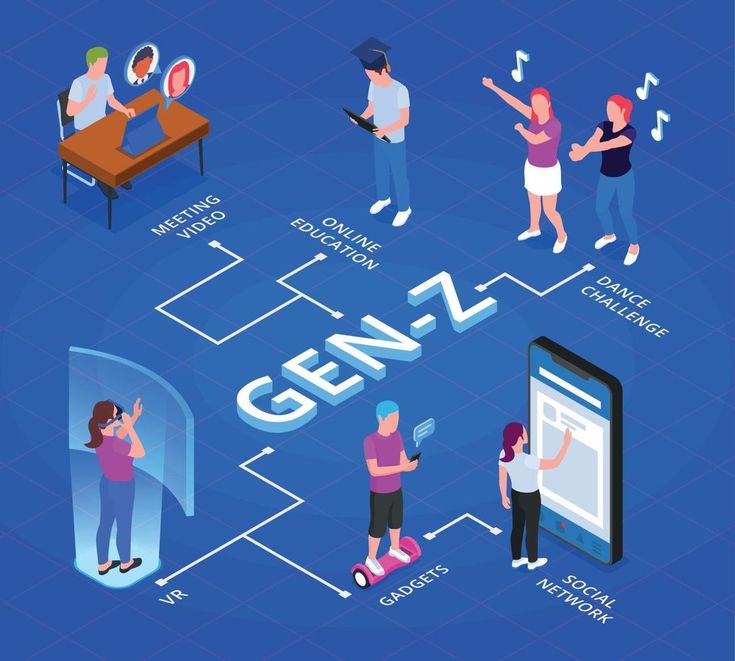
The Core Characteristics of Gen Z Aesthetics
Digital aesthetics are more than just style; they reflect cultural values, emotions, and a desire for connection. For Gen Z, the following traits stand out:
A. Authenticity Wins Over Perfection
Gone are the days of perfectly staged Instagram feeds. Gen Z prefers unfiltered selfies, raw video clips, and casual photo dumps. They believe imperfection feels more human and trustworthy.
B. Retro and Nostalgic Inspirations
Despite being future-oriented, Gen Z loves bringing back vintage trends. From Y2K fashion to 90s-style lo-fi graphics, they embrace nostalgia while mixing it with modern digital editing.
C. Inclusivity and Representation
They expect to see diversity in online spaces—different ethnicities, body types, sexual orientations, and abilities. This inclusivity has become a non-negotiable part of digital aesthetics.
D. Irony and Playfulness
Memes, chaotic edits, random text overlays, and humor-driven content are central to Gen Z. Aesthetic doesn’t always mean “pretty”—sometimes it means funny, absurd, or even intentionally awkward.
Platforms Driving Gen Z Aesthetics
Each social media platform has become a stage where Gen Z experiments and amplifies trends.
A. TikTok
This is the epicenter of Gen Z creativity. Viral dances, trending audio, and micro-aesthetics like cottagecore or dark academia thrive here. Its short video format fits perfectly with Gen Z’s attention span.
B. Instagram
Once known for its polished influencer culture, Instagram has evolved into a space for casual posting. Carousel dumps, blurry images, and behind-the-scenes moments are highly popular.
C. YouTube
Longer content is still popular, but Gen Z prefers vlogs, daily routines, and aesthetic compilations. YouTube Shorts also attract users who prefer fast and bite-sized entertainment.
D. Pinterest
Pinterest serves as a digital vision board where Gen Z collects mood boards for fashion, home décor, and creative projects. It helps them define and organize their aesthetic identity.
E. BeReal
The rise of BeReal reflects Gen Z’s push for authenticity. By limiting when users can post, the app eliminates the temptation for heavy editing.
How Gen Z Shapes Branding and Marketing
Businesses worldwide now adapt their strategies to align with Gen Z’s digital aesthetic preferences.
A. Visual Branding Evolution
Brands are shifting to bold typography, vibrant colors, and retro-inspired looks. Corporate stiffness is out; approachable and playful is in.
B. Organic Social Media Campaigns
Gen Z dislikes traditional ads. They prefer authentic influencer collaborations, memes, and storytelling that feels natural instead of scripted.
C. Aesthetic Packaging
Eco-friendly, minimal, and Instagrammable packaging encourages Gen Z consumers to share products online, turning purchases into digital content.
D. Interactive Engagement
Polls, AR filters, gamified experiences, and challenges are essential. Gen Z wants active participation rather than passive viewing.
Micro-Aesthetics Popular Among Gen Z
Gen Z has created countless niche “-core” aesthetics, each representing a mood, style, or cultural identity. Some of the most influential include:
A. Cottagecore – Romanticizing rural life with soft visuals, nature imagery, and pastoral vibes.
B. Dark Academia – Inspired by gothic literature, vintage libraries, and intellectual pursuits.
C. Y2K Revival – Neon colors, metallic fashion, and retro-futuristic graphics from the early 2000s.
D. Goblincore – A celebration of chaos, nature, and the beauty of imperfection.
E. Minimalist Aesthetics – Clean design, muted colors, and simplicity for mental clarity.
These subcultures show that Gen Z does not believe in one-size-fits-all beauty. Instead, they use aesthetics as identity markers and community-building tools.
Challenges for Brands Targeting Gen Z
Capturing Gen Z’s attention is not easy, and many brands fail because they misunderstand the culture.
A. Fast-Changing Trends
What is popular today may disappear tomorrow. Brands must remain agile without looking desperate.
B. High Sensitivity to Inauthenticity
Gen Z quickly detects forced humor, fake activism, or performative inclusivity. Backlash can be immediate and widespread.
C. Information Overload
With millions of creators competing for attention, it is difficult to stand out without offering something truly original.
The Future of Gen Z Digital Aesthetics
Looking ahead, Gen Z’s influence will only grow stronger as they become primary consumers in global markets. Future trends may include:
A. Hyper-Personalization
AI-powered feeds, tailored aesthetics, and custom digital experiences will dominate. Gen Z expects brands to adapt to their moods and preferences instantly.
B. AR and VR Integration
The metaverse, augmented reality shopping, and virtual fashion will redefine aesthetics, giving Gen Z more ways to express individuality.
C. Sustainability as a Core Principle
Eco-conscious visuals, zero-waste packaging, and sustainable storytelling will become standard parts of aesthetics.
D. Expansion of Niche Subcultures
As platforms evolve, new micro-aesthetics will continue to flourish, creating endless opportunities for self-expression.
Conclusion
Gen Z is not just part of the digital revolution—they are its leaders. Their preference for authenticity, inclusivity, and playful experimentation has changed how the internet looks, feels, and communicates. From TikTok aesthetics to eco-conscious branding, their influence is undeniable and only growing stronger.
For brands, creators, and marketers, understanding Gen Z aesthetics is more than a trend—it is a necessity. As technology continues to evolve, one thing is certain: the digital future will carry the unmistakable signature of Gen Z.